That $600 federal tax credit you were counting on to offset your new window project has actually vanished for 2026. It’s frustrating to plan a home improvement project only to find the rules have changed overnight, especially when drafty windows are already driving your monthly heating bills through the roof. You’ve likely spent hours searching for energy efficient window tax credits NY only to find outdated advice about the expired 25C credit.
We understand the confusion, and we’re here to provide the clarity you need to move forward with confidence. In this guide, you’ll discover how to maximize the remaining New York state and local utility incentives to lower your annual cooling and heating costs. We’ll explore the current PSEG Long Island rebates, the NYSERDA EmPower+ program, and the specific ENERGY STAR Version 7.0 standards required for our Northeast climate. By the end of this article, you’ll have a clear roadmap for choosing windows that qualify for every available dollar while ensuring your Suffolk County home stays comfortable through every season.
Key Takeaways
- Learn why the federal 25C credit is no longer available in 2026 and how to successfully pivot your financial strategy toward local New York incentives.
- Discover how to navigate energy efficient window tax credits NY by leveraging PSEG Long Island rebates and NYSERDA’s EmPower+ program for significant savings.
- Identify the specific ENERGY STAR Version 7.0 performance standards, such as U-Factor and SHGC ratings, required for the unique Long Island climate.
- Explore the “whole-home” requirements where window upgrades must be paired with insulation to unlock the highest available utility rebates.
- Understand how working with an established local professional ensures your project meets all certification standards and documentation needs for tax season.
Understanding the 2026 Energy Efficiency Incentives in New York
New York’s energy landscape is undergoing a significant transformation, placing a renewed focus on residential sustainability. For homeowners across Long Island, the push for energy efficiency is driven by both environmental goals and the practical reality of rising utility costs. Windows account for 25% to 30% of a home’s heating and cooling energy loss, making them a primary target for state and federal improvement programs. While the Inflation Reduction Act significantly expanded the available pool of funds for home performance, the specific mechanisms for claiming these benefits have evolved as we enter 2026.
The federal government previously incentivized these upgrades through the Energy Efficient Home Improvement Credit, commonly known as Section 25C. This credit, which found its legislative foundation in the Energy Policy Act of 2005, was designed to provide a percentage-based tax reduction for qualified exterior windows. However, the federal landscape has shifted. As of 2026, the 25C credit for windows has expired, meaning the strategy for securing energy efficient window tax credits NY now relies heavily on state-level administration and local utility partnerships.
Why 2026 is a Pivotal Year for Long Island Homeowners
Families in Suffolk and Nassau Counties are facing unique challenges that make 2026 an ideal time to evaluate their home’s thermal envelope. New York State has accelerated its residential decarbonization efforts, leading to more robust local programs that replace the expired federal credits. For those living in coastal communities like Port Jefferson, Patchogue, or Sayville, modern window technology offers a vital defense against the specific climate demands of our region. These high-performance units are engineered to manage the heavy humidity of a Long Island summer and the biting drafts of a North Shore winter, ensuring your home remains a sanctuary of comfort regardless of the weather outside.
Tax Credit vs. Rebate: Knowing the Difference
It is essential to understand the distinction between a tax credit and a utility rebate when planning your project. These two financial tools work differently to lower your total investment:
- Tax Credits: These are applied when you file your annual returns. They reduce the actual dollar amount of tax you owe to the government.
- Utility Rebates: These are often more immediate. Programs from providers like PSEG Long Island offer direct cash back or discounts based on the energy performance of the windows you install.
In 2026, the most successful homeowners will focus on “stacking” these incentives. By combining state-level discounts with local utility rebates, you can achieve a superior return on investment while elevating the aesthetic and functional value of your property.
Maximizing the Federal Energy Efficient Home Improvement Credit (25C)
The Federal Energy Efficient Home Improvement Credit, or Section 25C, has historically been the primary tool for reducing the cost of window upgrades. This provision allowed for a 30% credit on the purchase price of qualifying exterior windows, though it carried a strict $600 annual cap. This benefit was reserved for an existing principal residence, meaning it didn’t apply to new builds or secondary vacation properties in coastal areas like Sag Harbor or Port Jefferson. While this specific federal window credit has officially terminated as we enter 2026, the technical standards it established still heavily influence the current landscape of energy efficient window tax credits NY.
The “ENERGY STAR Most Efficient” designation continues to serve as the gold standard for performance. This benchmark is frequently adopted by New York state and local utility programs to determine eligibility for their active rebates. Understanding these federal performance tiers helps you select high-efficiency products that qualify for the local savings still available to Suffolk County residents. Even without the federal credit, choosing windows that meet these rigorous standards ensures your home remains protected against the elements while maximizing your eligibility for state-level financial assistance.
Annual Limits and Strategic Project Timing
The 25C framework established a $1,200 total annual limit for all combined weatherization improvements. In previous years, many homeowners would split a whole-house replacement across two tax years to stay within these caps. For example, you might install Double Hung Windows in your street-facing rooms during one year and finish the project the following spring. While the specific federal window credit has sunset, this phased approach remains a smart way to manage the logistics of a large-scale upgrade. If you’re planning a project in Brookhaven or Smithtown, a professional estimate can help you align your installation schedule with current local rebate windows.
Required Certification and Labels
Accurate record-keeping is the only way to protect your investment when filing for incentives. To prove your windows meet modern efficiency thresholds, you must keep the Manufacturer’s Certification Statement and the original NFRC labels. These documents provide the definitive proof of U-Factor and Solar Heat Gain Coefficient ratings that both the IRS and local utility providers require. Many “bargain” windows found at big-box stores fail to reach these rigorous standards, which effectively disqualifies the homeowner from any financial incentives. We prioritize providing full documentation for every unit we install, ensuring your project meets the highest certification standards from the start.
Local NY Incentives: NYSERDA Programs and PSEG Long Island Rebates
Since federal incentives have shifted, homeowners in our community have access to some of the most comprehensive local programs in the country. Securing energy efficient window tax credits NY in 2026 requires looking beyond the IRS toward our own state and utility providers. These local incentives are specifically designed to help families in Nassau and Suffolk County reduce their carbon footprint while managing the high cost of living on Long Island. By focusing on programs from PSEG and NYSERDA, you can often find cash-back opportunities that are more immediate than a year-end tax filing. These local grants provide a direct way to offset the cost of high-performance upgrades while elevating your home’s comfort.
PSEG Long Island Rebate Opportunities
PSEG Long Island provides substantial support through its Home Performance with ENERGY STAR® program. For residents in Brookhaven, Smithtown, and Huntington, these rebates are based on the total square footage of the windows replaced. Currently, the standard rebate is $4 per square foot, though it can increase to $8 per square foot for those in designated disadvantaged communities. PSEG requires a whole-home approach; you won’t qualify for window rebates alone. Instead, the installation must be paired with air sealing and insulation improvements. This creates a powerful synergy because you can still use federal tax credits for the insulation portion of the project, effectively using one incentive to unlock another.
NYSERDA Financing and Assistance
Beyond utility rebates, the New York State Energy Research and Development Authority offers a robust suite of NYSERDA Programs and Incentives. The EmPower+ program is a standout for 2026, providing no-cost upgrades for low-income households capped at $12,000, or a 50% discount for moderate-income families capped at $6,000. For those who don’t qualify for these specific grants, the Residential Financing Program offers low-interest loans that make high-performance upgrades much more accessible. If you are a Nassau County homeowner, our Energy Efficient Windows Nassau County guide provides even more granular detail on local standards. These programs ensure that whether you live in Babylon or Port Jefferson, the path to a more efficient home is financially viable and professionally supported.

Choosing Windows That Qualify: ENERGY STAR® Standards for the Northeast
Selecting the right product is just as critical as understanding the financial paperwork. In 2026, qualifying for energy efficient window tax credits NY requires more than just a recognizable brand name; it requires meeting the rigorous ENERGY STAR Version 7.0 specifications. These standards are specifically tailored for the Northern Climate Zone, which includes all of Long Island. While many big-box retailers sell units labeled as energy efficient, they often fail to meet the “Most Efficient” designation required to unlock the best utility rebates and state assistance. We focus on high-performance materials like premium vinyl and advanced composites that resist the coastal humidity of Suffolk County while providing the thermal barrier your home needs.
Double-pane glass has long been the baseline, but triple-pane units are quickly becoming the new standard for homeowners seeking maximum comfort. These units utilize multiple chambers of argon or krypton gas to prevent heat transfer. When paired with high-quality frame construction, these windows ensure that your investment in energy efficient window tax credits NY translates into tangible, long-term savings on your monthly PSEG bills.
U-Factor vs. SHGC: The Numbers That Matter
To choose the best windows for your project, you must understand two primary ratings found on the NFRC label. The U-Factor measures how well a window prevents heat from escaping your home, which is vital during our freezing New York winters. Conversely, the Solar Heat Gain Coefficient (SHGC) measures how much solar radiation enters through the glass. In our region, we look for a balanced SHGC that allows for some beneficial solar warming in the winter without overheating your living room in July. To meet the rigorous ENERGY STAR Version 7.0 standards in 2026, New York homeowners should select windows with a U-Factor of 0.22 or lower.
Styles That Maximize Efficiency
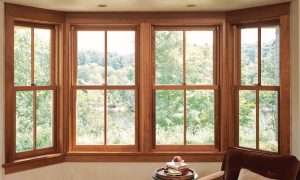
The physical design of your window plays a massive role in its thermal performance. For instance, the airtight compression seal of Casement Windows makes them one of the most efficient styles available, as the sash presses firmly against the frame when closed. While Double Hung and Slider designs have improved significantly with modern weather-stripping, the mechanical advantage of a casement or awning window often provides the best protection against the stiff breezes found in coastal towns like Poquott or Bayport.
Professional installation is the final piece of the efficiency puzzle. Even the most expensive triple-pane window will fail to qualify for rebates if air leaks around the frame due to poor sealing. We ensure every unit is precision-fit and weather-sealed to preserve your eligibility for local incentives. If you’re ready to upgrade your home’s performance, contact our team for a detailed window performance assessment today.
How Long Island Windows and Siding Simplifies Your Energy Upgrade
Since 1969, our family-owned business has stood as a pillar of reliability for homeowners across Nassau and Suffolk Counties. We’ve witnessed decades of shifting energy policies and tax codes; we’ve helped thousands of neighbors navigate the complexities of home improvement with a steady, professional hand. In 2026, the path to securing energy efficient window tax credits NY is more nuanced than ever. It requires a partner who understands the technical specifications of ENERGY STAR Version 7.0 and the specific administrative requirements of local utility rebates. We don’t just sell windows; we provide a comprehensive consultative experience that ensures your project meets the highest performance and financial standards.
Our expertise ensures that the high-efficiency ratings of your Double Hung or Casement windows aren’t lost during the installation process. A window’s lab-certified U-Factor only holds true if the unit is precision-fit and expertly weather-sealed. Our seasoned installers take deep pride in their craft, preventing the air leakage that often plagues DIY or ‘bargain’ installations. This commitment to excellence protects your long-term energy savings and ensures your home remains a stable, comfortable environment through the humid Long Island summers and freezing winters.
The Documentation You Need for the IRS
Securing your financial benefits requires meticulous record-keeping, and we’ve refined our process to make this as seamless as possible. We provide every client with clear, itemized invoices that distinguish between material costs and labor fees, which is a critical requirement for many energy-related filings and state-level rebate programs. At the close of your project, you’ll receive the Manufacturer Certification Statements and NFRC labels necessary to prove your windows meet the current efficiency thresholds. Whether you’re in Brookhaven, Islip, or Smithtown, our commitment to transparency means you’ll have everything your tax professional needs to verify your project’s compliance with current standards.
Schedule Your Professional Consultation
The first step toward a more efficient home is a professional estimate that accounts for your property’s unique thermal needs. Our team serves every corner of the island, from the bustling streets of Huntington Station to the quiet lanes of West Sayville. We’ll help you select the Picture, Slider, or Awning windows that best match your home’s aesthetic while aligning with 2026 incentive standards. Don’t leave your savings to chance; contact Long Island Windows and Siding for an energy-efficient estimate today and experience the difference that fifty years of local heritage makes.
Start Your Journey to a More Efficient Long Island Home
Upgrading your home’s thermal envelope is a significant investment that deserves a partner who understands the local landscape. While federal incentives have shifted, navigating energy efficient window tax credits NY remains achievable through the strategic use of PSEG Long Island rebates and NYSERDA programs. Success in 2026 depends on selecting windows that meet the specific ENERGY STAR Version 7.0 standards for the Northeast and ensuring your project includes the necessary air sealing to unlock utility-level savings.
We’ve been serving the Long Island community since 1969 with the reliability only a family-owned and operated business can provide. Our team maintains expert knowledge of the 2026 NY energy standards to ensure your installation meets every requirement for available incentives. Whether you’re in Brookhaven, Islip, or Huntington, we’re here to guide you through a low-pressure, professional upgrade. Claim Your Energy Efficient Window Estimate Today and take the first step toward a more comfortable, cost-effective home.
Frequently Asked Questions
What is the maximum tax credit for windows in NY for 2026?
The federal 25C tax credit has expired for all property placed in service after December 31, 2025. In 2026, homeowners should focus on local utility rebates and state programs rather than federal energy efficient window tax credits NY. PSEG Long Island offers rebates up to $8 per square foot for certain households, while NYSERDA provides significant discounts for income-qualified residents. These local savings often provide more immediate financial relief than a year-end tax deduction.
Do all ENERGY STAR windows qualify for the 25C tax credit?
Since the 25C federal credit is no longer active in 2026, the focus has shifted to meeting ENERGY STAR Version 7.0 standards for local incentives. To qualify for PSEG or NYSERDA programs, windows must meet the specific criteria for the Northern Climate Zone. This requires a U-Factor of 0.22 or lower and a Solar Heat Gain Coefficient of 0.17 or higher. We ensure every product we install meets these precise technical benchmarks.
Can I claim the window tax credit for a rental property in Suffolk County?
Energy efficiency tax credits were historically limited to a taxpayer’s principal residence. Rental properties and second homes generally don’t qualify for these specific residential credits. However, some utility-level rebates for property owners in towns like Huntington or Islip may still be available regardless of the home’s primary use. We recommend consulting a tax professional to see if any commercial or state-specific incentives apply to your rental units this year.
Is installation labor included in the $600 window tax credit cap?
No, the previous federal cap of $600 for windows only applied to the cost of the materials. Labor and installation fees were excluded from that specific calculation. While that federal credit has sunset, current local rebates often look at the total project scope. We provide clear, itemized invoices that separate material costs from professional installation fees to help you easily provide the correct figures for any state or utility program filings.
What documentation do I need from my contractor to claim the credit?
You must keep the Manufacturer’s Certification Statement and the original NFRC labels from your new windows to prove they meet the required efficiency ratings. You also need an itemized receipt showing the purchase date and the specific models installed. Our team provides all this documentation upon completion of every project in Brookhaven and Smithtown, ensuring you have every record needed to verify your home’s performance for tax or rebate purposes.
How do I stack PSEG Long Island rebates with federal tax credits?
Because the federal window credit has ended, stacking now focuses on combining PSEG rebates with state-level assistance. PSEG requires windows to be part of a “whole-home” upgrade that includes air sealing and insulation. You can often combine these utility rebates with NYSERDA’s EmPower+ discounts for low-to-moderate-income households. This strategy allows you to address multiple efficiency needs at once while significantly reducing the total out-of-pocket cost for your Long Island home.
Do I need to replace all my windows at once to get the credit?
You aren’t required to replace every window in a single project to be eligible for incentives. Many families in communities like Patchogue or Babylon choose to upgrade their homes in stages to manage their budget. However, because PSEG Long Island rebates require a comprehensive approach involving insulation and sealing, it is often more cost-effective to complete a larger portion of the work at once to meet those specific program requirements and maximize your savings.
What are the specific U-Factor requirements for New York window credits?
To meet the 2026 standards for the Northeast, windows must have a U-Factor of 0.22 or lower. This rating measures how effectively the window keeps heat inside during our cold Suffolk County winters. When you select windows with these ratings, you ensure your home stays comfortable and remains eligible for the highest tiers of local utility rebates. We prioritize these high-performance specifications to ensure your home meets the most rigorous energy standards available.
Our Service Areas Across Long Island
We are proud to serve homeowners throughout Suffolk and Nassau Counties, providing expert installation of energy-efficient windows and siding. Our primary service areas include:
- Suffolk County: Babylon, Islip, Brookhaven, Huntington, Smithtown, Patchogue, Port Jefferson, and Riverhead.
- Local Communities: Bay Shore, Sayville, Ronkonkoma, Hauppauge, Deer Park, Dix Hills, Commack, and Stony Brook.
- Coastal Areas: Port Jefferson Station, Northport, Lindenhurst, West Islip, and East Setauket.
- Central Long Island: Holbrook, Medford, Selden, Centereach, Coram, and Shirley.
Whether you live in a historic home in Sag Harbor or a modern residence in Melville, our team brings over 50 years of local experience to every project. We understand the specific climate needs of Long Island and are dedicated to helping our neighbors improve their home’s beauty and energy performance.