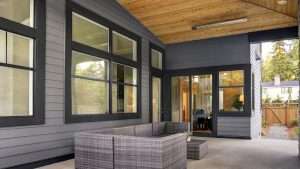
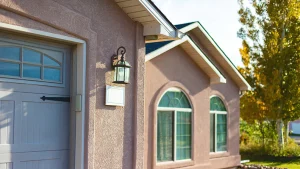
How Many Of Your Windows Are Cold And Drafty?
See our Referral Sheet With More Than 5,000 Satisfied Customers before you schedule an evaluation with Long Island Windows and Siding.
……………………..Cold, drafty windows are one of the fastest ways to sap comfort and raise energy bills in Long Island homes. Whether you live near the coast, in a village with historic homes, or in a newer subdivision, window performance affects comfort, indoor air quality, and long‑term maintenance costs. At Long Island Windows and Siding we help homeowners diagnose drafts, prioritize cost‑effective repairs, and design replacement plans that deliver measurable ROI and lasting comfort. If you want an on‑site evaluation and a clear plan, Contact One Of Our Professionals Now.
Call Now 800-735-1924
Why Cold And Drafty Windows Matter
Drafty windows do more than make you reach for an extra sweater. They:
- Increase heating bills by letting warm indoor air escape and cold outdoor air enter.
- Create cold spots and uncomfortable drafts that reduce occupant comfort.
- Promote condensation and moisture problems on sills and frames, which can lead to rot and mold.
- Reduce the lifespan of finishes and window hardware, increasing maintenance costs.
- Lower resale appeal when buyers note poor window performance during inspections.
Our goal is to help you understand whether simple repairs will restore comfort or if targeted replacements deliver better long‑term value. Contact Us Now.
How We Diagnose Drafts In Your Home
A reliable diagnosis separates a quick fix from a smart investment. Our approach at Long Island Windows and Siding is hands‑on and data driven:
- Visual inspection of frames, sills, weatherstripping, and hardware.
- Functional testing of opening, closing, and locking features.
- Moisture checks at sills and adjacent framing with moisture meters.
- Infrared or thermal spot checks to find cold spots or bypasses in insulation.
- Airflow testing using simple smoke or draft detectors in critical areas.
- A homeowner interview to identify usage patterns that affect humidity and perceived drafts.
This method reveals whether drafts come from poor installation, failed weatherstripping, degraded balances/rollers, rot, or whole‑house airtightness issues. Contact One Of Our Professionals Now.
Common Causes Of Cold And Drafty Windows
Understanding root causes guides efficient repairs or replacement decisions. Here are the frequent issues we see throughout Nassau and Suffolk counties:
- Worn or missing weatherstripping that no longer seals the sash to the frame.
- Failed insulated glass units (IGUs) or single‑pane glass that transfers cold easily.
- Hardware failures such as worn balances, rollers, or locking points that prevent tight closure.
- Paint bridges where paint seals sash to frame and prevents full engagement.
- Frame rot, warped jambs, or out‑of‑square conditions from settling or water damage.
- Poor installation or missing shims resulting in air gaps at the rough opening.
- Thermal bridging from uninsulated frames or metal components that stay cold to the touch.
- High indoor humidity causing surface condensation that feels like a draft or damp cold.
Each cause has a specific corrective path. We diagnose and quantify so you can compare the cost and lifespan of repairs versus replacement. Contact Us Now.
Quick Checks You Can Do Today
Before we visit, these homeowner checks help prioritize work:
- Run your hand around closed sashes on a cold day to feel for drafts.
- Hold a lit incense stick or smoke pen near suspicious gaps; even small drafts disturb the smoke.
- Inspect weatherstripping for gaps, compression, or missing sections.
- Look for peeling paint, wet sills, or soft wood that indicate water intrusion.
- Check for difficulty opening or closing—binding often points to sash alignment or paint build‑up.
- Compare rooms; if one elevation is consistently colder, microclimate or insulation issues may be a factor.
If you find any of these, note the locations and photos to share during an assessment. Contact One Of Our Professionals Now.
Repair Options That Restore Comfort
When window assemblies are fundamentally sound, repairs can restore performance fast and affordably:
- Replace weatherstripping with the correct profile and compression for your sash type.
- Replace worn balances, sash cords, or rollers to regain smooth operation and proper sash seating.
- Reglaze or replace failed IGUs to eliminate cold interior glass surfaces and condensation.
- Remove paint bridges and refinish sashes to restore full movement and engagement.
- Add foam or caulk at interior trim and exterior jambs where air leakage is visible.
- Adjust or re‑shim frames to bring assemblies back into square and allow proper sealing.
Repairs are a strong choice when frames and IGUs are in good condition and you want limited disruption and lower upfront cost. We give realistic life expectancy estimates for repairs so you can plan ahead. Contact Us Now.
When Replacement Is The Smarter Investment
Replacement becomes the clear winner when multiple units show age‑related decline or when you want consistent performance and long‑term savings:
- Widespread IGU failures or single‑pane glass across many openings.
- Rot, decayed framing, or severe warping that repairs cannot reliably fix.
- A desire for modern glass packages (Low‑E, argon/krypton fill) to reduce energy bills.
- Need for improved sightlines, easier maintenance, or updated architectural style.
- Long‑term ROI goals that favor one investment now over repeated repairs.
We present side‑by‑side lifecycle cost scenarios so you can compare upfront cost, annual savings, and projected payback for replacement versus continued repairs. Contact One Of Our Professionals Now.
Local Long Island Factors That Influence Decisions
Long Island’s climate and housing stock change how we approach drafts and replacements:
- Coastal exposure: Salt air speeds corrosion and degrades hardware faster, making higher‑grade materials smart investments.
- Older homes: Many Long Island houses have original windows with lead paint, rotted sills, or non‑standard profiles requiring custom solutions.
- Microclimates: Bayside, South Shore marshlands, and inland neighborhoods have different dew and wind patterns that affect window performance.
- Historic preservation: Where appearance is regulated, we offer custom replacement units that match sightlines while upgrading performance.
We tailor solutions to your neighborhood and home type, balancing aesthetics, performance, and budget. Contact Us Now.
ROI: How Draft Fixes And Replacements Pay Back
Quantifying the return on comfort and dollars is central to good decisions. We measure ROI three ways:
- Energy savings — Upgrading multiple inefficient windows to NFRC‑rated units lowers heating and cooling loads and shows measurable yearly savings.
- Maintenance avoidance — Replacing problem windows eliminates recurring repair costs, paint cycles, and premature trim replacement.
- Resale value — Documented window upgrades with manufacturer warranties and professional installation often shorten time‑on‑market and increase buyer confidence.
We include conservative energy‑savings estimates and lifecycle comparisons in each proposal so you know the expected simple payback and the long‑term financial effect of your decision. Contact One Of Our Professionals Now.
Testimonials From Long Island Homeowners
- “Our living room was always cold in winter. After their IGU replacements and weatherstripping upgrade, the room is warm and our bills dropped.” — M.P., Nassau County, customer of Long Island Windows and Siding.
- “They repaired a handful of windows and replaced three with a matching sightline. We saw immediate comfort improvement and it kept costs down.” — R.T., Suffolk County.
- “Historic windows in our village needed careful handling; the team preserved the look while bringing performance to modern standards.” — L.S., Village homeowner.
See more real results on our Referral Sheet With More Than 5,000 Satisfied Customers.
How We Integrate Window Work With Whole‑House Improvements
Windows don’t operate in isolation. Maximum comfort and energy savings come when we address the whole assembly:
- Insulate and air‑seal rough openings during replacements to stop bypass leakage.
- Coordinate with siding and trim upgrades to ensure continuous water‑resistive barriers and flashing.
- Address attic and wall insulation deficiencies that create cold ceilings and drive heat loss.
- Recommend ventilation and humidity controls to reduce swell/shrink cycles that cause binding.
Integrated upgrades produce better, longer‑lasting results and a clearer ROI. For siding and fenestration coordination, review our posts on window/siding choices and replacement safety. Contact Us Now.
Maintenance Habits That Keep Drafts Away
Small habits prevent many performance problems:
- Annual inspection of weatherstripping and sash seals.
- Clean and lubricate tracks, balances, and rollers each spring and fall.
- Keep weep holes clear so frames drain properly.
- Avoid paint bridging on sash edges during repainting projects.
- Use exhaust fans and manage humidity to prevent seasonal swelling.
We provide a homeowner care checklist with every project to help protect your investment.
Three Definitions To Clarify Key Concepts
- Fenestration — the arrangement and design of windows and doors on a building’s exterior; understanding fenestration helps with sightlines, ventilation, and egress considerations (see Fenestration on Wikipedia: https://en.wikipedia.org/wiki/Fenestration).
- Insulation — materials and systems used to slow heat transfer across building assemblies; proper insulation reduces cold spots and improves glass surface temperatures (see Insulation on Wikipedia: https://en.wikipedia.org/wiki/Insulation).
- Thermal bridge — a localized path where heat transfers more easily through a building assembly; minimizing thermal bridges improves comfort and reduces condensation risk (see Thermal Bridge on Wikipedia: https://en.wikipedia.org/wiki/Thermal_bridge).
Safety And Accessibility Considerations
Drafty windows can be a safety concern when they interfere with egress, create cold surfaces that affect infants and elders, or cause condensation and mold that impact indoor air quality. We check egress compliance in bedrooms and basements and recommend tempered or laminated glass where code or safety needs dictate. Contact One Of Our Professionals Now.
Pricing, Timelines, And What To Expect
Typical scopes and timing:
- Small repairs: Often completed in a single service visit; quick turnaround and minimal disruption.
- Partial replacements: Can take several days depending on unit availability and site prep.
- Whole‑house replacements: Timelines vary with scope—expect staged scheduling, permit coordination, and clear milestones.
Our proposals include itemized scopes, conservative schedules, and clear lifecycle cost comparisons to help you decide. Contact Us Now.
Case Studies: Real Projects, Real Outcomes
Case Study 1 — Partial Repair Saves Thousands
A mid‑century home had six drafty north‑facing windows. Diagnostics showed worn balances and compressed weatherstripping. We replaced balances and installed new weatherstripping for less than half the cost of a full replacement; the homeowner reported immediate comfort gains and lower heating runtime.
Case Study 2 — Targeted Replacement For Coastal Exposure
A South Shore cottage had corroded hardware and failed IGUs across most bedrooms. We recommended selective replacements with marine‑grade hardware and laminated glass. Energy modeling showed a 20% reduction in heating load and a significant comfort improvement.
Case Study 3 — Whole‑House Refresh For Resale
A Colonial in Huntington wanted market differentiation before listing. A whole‑house window upgrade with matching sightlines, Low‑E glass, and new hardware improved curb appeal and appraised value, helping the owners achieve a faster sale at a higher price.
See more examples and referrals on our Referral Sheet With More Than 5,000 Satisfied Customers.
Calls To Action — Ready To Find Out How Many Windows Are Cold In Your Home?
- Not sure whether to repair or replace? Contact One Of Our Professionals Now for a no‑pressure on‑site evaluation.
- Want a custom ROI worksheet for repair vs. replacement? Contact Us Now.
- Ready to schedule a service call or estimate? Contact One Of Our Professionals Now.
Call Now 800-735-1924
Frequently Asked Questions
1. How Do I Know If My Windows Are Drafty Or If My House Is Just Cold?
Check for localized drafts by running your hand or a smoke pen along closed sashes; if only certain windows have drafts, it’s likely a window issue rather than whole‑house heating.
2. Will New Weatherstripping Fix Drafty Windows?
Often yes, when frames and sashes are in good condition. Correct profile and compression are essential to restore a tight seal.
3. Are Replacements Worth It For Older Homes?
They can be—especially when multiple units have failed seals, rot is present, or you want modern performance and warranties. We provide lifecycle comparisons to show long‑term value.
4. How Much Can I Save On Energy Bills With New Windows?
Savings vary by home and the quality of glass and framing replaced; typical ranges are 5–20% on heating and cooling depending on current conditions and upgrade level.
5. What Is An IGU And Why Does It Matter For Drafts?
An Insulated Glass Unit (IGU) is the sealed glass assembly with gas fills and Low‑E coatings. When IGUs fail they create cold interior glass surfaces and internal condensation, compromising comfort and efficiency.
6. How Do You Test For Air Leaks At Windows?
We use visual checks, smoke or incense tests, and spot thermal scans; for whole‑house verification we can recommend air‑infiltration testing.
7. Can I Replace Hardware Myself To Fix Drafts?
Some hardware swaps are DIY friendly, but mis‑sized or incorrect parts can worsen problems. We match manufacturer parts and ensure proper operation.
8. Will Replacing Windows Affect Historic Character?
Not necessarily. We offer custom sightlines, simulated divided lites, and trim solutions that preserve historic appearances while upgrading performance.
9. How Quickly Can You Provide An Estimate?
We typically schedule on‑site assessments quickly and deliver detailed proposals with options and ROI worksheets within a few business days.
10. Do You Offer Financing Or Staged Replacement Options?
Yes. We provide financing and staging plans so you can prioritize critical elevations and spread investment over time.
11. What Maintenance Keeps Windows From Becoming Drafty Again?
Annual inspections, track cleaning, lubrication, and timely weatherstripping replacement keep windows operating smoothly for longer.
12. Do You Register Warranties And Provide Documentation?
Yes. We register manufacturer warranties, provide a workmanship warranty, and deliver full documentation at project close.
Conclusion
Cold and drafty windows are a solvable problem. Whether you choose targeted repairs or strategic replacements, the right approach starts with a thorough diagnosis, clear ROI modeling, and a plan that accounts for Long Island’s unique climate and housing stock. Long Island Windows and Siding combines local expertise, in‑house crews, and honest, data‑driven recommendations so homeowners make confident choices that improve comfort, reduce costs, and preserve home value.
Review our Referral Sheet With More Than 5,000 Satisfied Customers and Contact One Of Our Professionals Now to schedule a no‑pressure assessment.
Call Now 800-735-1924
Simpy CLICK HERE Or – Call Now 800-735-1924 – to start your upgrade today!