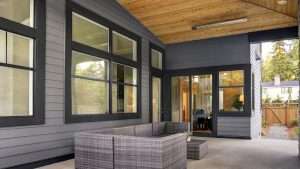
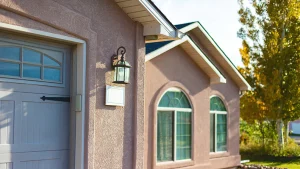
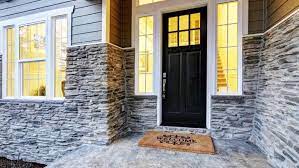
Have you ever wondered why your home feels chilly during an Atlantic gale even when the heat is running at full blast? Most Nassau County homeowners assume their windows are the sole culprit, yet the true source of discomfort often lies within the walls themselves. Investing in insulated vinyl siding Nassau County is about more than just a fresh look. It is about creating a permanent thermal blanket that shields your family from the damp, salty air of the South Shore and the biting winds of the North Shore.
We understand the frustration of watching utility bills climb while your living room remains stubbornly drafty. You deserve an exterior that works as hard as you do to maintain a comfortable, quiet sanctuary. This guide will help you discover how modern ProVia siding systems eliminate thermal bridging to keep your home efficient and beautiful year-round. We will explore the latest federal energy tax credits available through 2025, the local NYSERDA incentives helping our neighbors save today, and the specific ways this durable solution preserves the architectural heritage of our Long Island communities.
Key Takeaways
- Learn how the “thermal bridging” effect in Long Island homes causes significant heat loss through wall studs and how foam-backed panels solve it.
- Discover why choosing insulated vinyl siding Nassau County provides superior impact resistance against coastal storms and debris compared to hollow vinyl options.
- Evaluate the long-term return on investment by comparing initial installation costs against a decade of reduced monthly energy expenses.
- Explore aesthetic profiles like Dutch Lap and Cedar Shake that deliver timeless curb appeal without the high maintenance of traditional wood.
- Understand the critical role of professional “floating” installation techniques and proper flashing to ensure your siding handles thermal expansion and coastal moisture.
Why Nassau County Homes Need More Than Just Standard Siding
Nassau County is a unique place to live. From the historic homes in Oyster Bay to the breezy waterfront properties in Freeport, our local architecture faces intense pressure from the Atlantic climate. Standard vinyl siding has served many homes well for decades, but it often leaves a critical gap in your home’s defense. Insulated siding represents a significant evolution in home exterior technology. It features a rigid, contoured foam backing that is permanently fused to the vinyl panel. This design doesn’t just make the siding stronger; it transforms your home’s exterior into a high-performance thermal envelope that protects your investment for the long term.
As we move through 2026, energy standards have shifted from simple suggestions to essential requirements for homeowners who want to protect their property value. Residents are no longer looking for just a cosmetic fix. They are looking for comprehensive solutions that address rising utility costs and environmental impact. Choosing insulated vinyl siding Nassau County is a strategic move to meet these modern demands while ensuring your home remains a sanctuary against the elements, regardless of how the weather shifts on the island.
Understanding Thermal Bridging in Long Island Homes
Most homes in our area are built with traditional wood studs. While the space between these studs is typically filled with fiberglass or spray foam insulation, the studs themselves often remain uninsulated. Thermal bridging is the primary cause of heat loss in wood-framed homes. These wooden supports act as a physical “bridge,” allowing heat to bypass your interior insulation and escape directly into the cold Long Island winter. By wrapping your home in a continuous layer of foam-backed siding, you break that bridge. It acts as a thermal blanket for the entire house, keeping the warmth inside where it belongs and significantly reducing the workload on your heating system during those bitter Atlantic storms.
The Impact of Coastal Humidity on Exterior Longevity
Coastal living brings specific challenges like high humidity and corrosive salt air. In communities like Long Beach or Port Washington, moisture management is the key to a long-lasting exterior. Unlike hollow vinyl panels that can trap pockets of stagnant air, modern insulated panels are designed to be breathable. This specialized foam allows water vapor to escape, which helps prevent the buildup of mold and mildew behind your walls during our humid Nassau summers. The added rigidity also means the siding won’t rattle or flex during high-wind events. This creates a durable exterior solution that maintains its integrity and beauty despite the harsh salt air that often corrodes lesser materials, giving you peace of mind and lasting curb appeal.
The Science of Insulation: How Modern Siding Protects Your Home
The transition from standard panels to high-performance siding is rooted in advanced material science. While traditional vinyl is essentially a thin plastic shell, insulated vinyl siding Nassau County creates a composite defense system. The fusion of a durable outer layer with a form-fitted foam core changes how your home interacts with the environment. This isn’t just about adding a layer of plastic; it’s about re-engineering your home’s thermal boundary to ensure lasting comfort and structural health.
Durability is another major scientific advantage of the foam-backed design. Hollow vinyl is vulnerable to impact because there is a gap between the siding and the wall. A stray baseball or a heavy hailstone can easily crack a hollow panel. The rigid foam backing acts as a permanent shock absorber, providing a solid foundation that allows the vinyl to withstand significant force without denting or breaking. This extra support keeps your home’s exterior looking sharp and uniform for decades.
Boosting Your Home’s R-Value
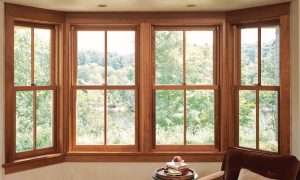
Standard vinyl siding provides a negligible R-value of roughly 0.6, which does little to stop heat transfer. High-quality insulated systems can increase this rating to R-3.0 or higher. This jump in thermal resistance significantly lightens the load on your HVAC system. When your walls work effectively to keep heat inside during the winter and outside during the summer, you’ll see the results in your monthly utility statements. For a complete thermal seal, many homeowners also look into Energy Efficient Windows Nassau County to address every potential weak point in the home’s envelope.
A Quieter, More Peaceful Interior
Living near major transit hubs like the Long Island Expressway or busy stretches of Sunrise Highway often means dealing with persistent background noise. The thick, contoured foam used in modern siding serves as an excellent acoustic barrier. Some industry professionals report that this material can reduce the transmission of exterior noise by up to 45%. This sound-dampening effect creates a much calmer indoor atmosphere, protecting your peace of mind from the hustle and bustle of Nassau’s active neighborhoods.
Maintaining a healthy home also requires proper moisture management. Following VSI Certified installation standards ensures that the siding system remains breathable. This permeability allows water vapor to escape from behind the walls, which is essential for preventing structural rot and mold growth. If you want to see how these technical benefits translate to real-world beauty, you can view our gallery of completed local homes to see the difference for yourself.
Comparing Insulated vs. Standard Vinyl: Is the Investment Worth It?
Many homeowners ask if the premium for insulated vinyl siding Nassau County is truly justified. While standard vinyl remains a budget-friendly choice, it lacks the structural and thermal benefits that define modern high-performance homes. The initial investment for an insulated system is higher, but the return on that investment manifests in ways that standard panels simply cannot match. You aren’t just paying for a different material; you’re paying for a long-term reduction in your home’s total cost of ownership.
In the competitive Nassau County real estate market, efficiency is a major selling point. Buyers in areas like Syosset or Garden City prioritize homes that are already weather-proofed against our local climate. Listing your home with a certified insulated exterior signals to potential buyers that the property is well-maintained and energy-efficient. This often leads to a faster sale and a higher valuation compared to homes with aging, hollow siding. It’s a strategic upgrade that protects your equity while improving your daily comfort.
Both vinyl types outperform wood because they don’t require the constant cycle of scraping and painting. However, insulated siding holds its shape much longer. Standard vinyl can become brittle or warp over time, whereas the foam core provides a permanent support structure. This keeps the panels looking new for decades, even when exposed to the intense sun and salt air found in coastal communities like Massapequa.
Calculating Your Energy ROI
Long Island energy costs are among the highest in the country. By installing an insulated system, many residents see a reduction in heating and cooling costs of 15% to 20%. When you combine these monthly savings with federal tax credits of up to $1,200 and available NYSERDA rebates, the system often pays for itself well within its lifespan. It’s vital to partner with experienced Vinyl Siding Contractors who know how to maximize these efficiency gains through precision fitting and proper air sealing techniques.
Structural Integrity and ‘The Wave’ Prevention
Have you ever noticed “the wave” on a house? This unsightly buckling happens when thin vinyl panels expand and contract without adequate support. The rigid foam backing in an insulated system prevents this rattling and waving, creating a flat, solid surface that mimics the premium look of milled wood. This structural rigidity is especially important during our harsh Nor’easters. While high winds can cause hollow panels to chatter against the sheathing, insulated vinyl siding Nassau County stays quiet and secure, providing a sense of permanence and peace during the storm.

Selecting the Right Profile and Style for Your Neighborhood
Choosing the right look for your home is just as important as the technology behind the panels. In Nassau County, our neighborhoods have distinct personalities that demand specific aesthetic choices. Whether you’re aiming for a traditional feel or a modern edge, insulated vinyl siding Nassau County offers a versatile palette that respects local history while providing 21st-century performance. It isn’t just about picking a color; it’s about selecting a profile that complements the lines of your home and the character of your street.
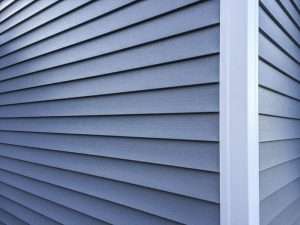
Traditional Clapboard remains a local favorite for its timeless, clean lines. It perfectly mimics the look of historic wood siding found throughout our older villages. For those seeking more depth, Dutch Lap profiles offer a recessed curve at the top of each panel, creating unique shadow lines that add architectural interest. If you live near the water, the “Cedar Shake” look is a popular choice. It delivers that classic coastal charm without the constant staining and rotting issues associated with real wood shakes.
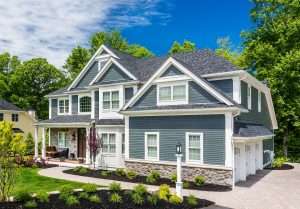
The year 2026 has brought a shift toward bolder, more sophisticated color palettes. We’re seeing a move away from safe beiges and tans toward deep charcoals, midnight blues, and forest greens. These dark hues stay vibrant for decades thanks to advanced pigment technology. To truly complete the thermal envelope and the visual transformation, don’t overlook your trim. High-quality soffits and fascia provide a polished finish while ensuring every corner of your home is protected from the elements.
Matching Architecture in Garden City and Massapequa
Architecture varies wildly across the county. In Garden City, the stately Colonials look best with narrow-reveal Clapboard profiles that emphasize their vertical presence. Conversely, the mid-century Ranches common in Levittown and Hicksville benefit from wider profiles that ground the home and enhance its horizontal lines. We often recommend ProVia siding for these projects because it provides a high-end, custom-milled appearance that feels authentic to the home’s original era while offering superior protection.
Color Retention and UV Protection
South Shore waterfront properties in Massapequa or Seaford face intense sun exposure that can bleach inferior materials. Modern siding uses UV-resistant pigments that are integrated throughout the panel rather than just coated on the surface. This ensures that even the darkest grays and blues maintain their richness despite years of direct sunlight and salt air. If you’re ready to see these styles in person, you can contact us for a professional consultation and explore our full range of 2026 design options.
Professional Installation Standards for Nassau County Homeowners
The most advanced materials in the world cannot perform their job if they aren’t installed with absolute precision. For insulated vinyl siding Nassau County, the installation process requires a deep understanding of how materials react to our unique Long Island climate. Vinyl is a dynamic material that expands and contracts as temperatures shift from the humid peaks of July to the freezing gales of January. We don’t simply nail siding to your home; we hang it using a professional “floating” method. This technique leaves a precise gap, usually about 1/32 of an inch, between the nail head and the siding flange. This allows the panels to slide freely, preventing the buckling and warping that often plague amateur installations.
Beyond the panels themselves, the true integrity of your home’s defense lies in the critical transition points. Corner posts and window flashings are the most vital areas for effective weatherproofing. These components must be integrated perfectly to redirect water away from your home’s structural framing. Our team brings more than 50 years of local expertise to every project, ensuring that every mitered corner and every length of J-channel is sealed against the salt air and driving rain. We’ve been a family-owned authority in the region since 1969, and we understand that a successful project is built on the details that most people never see.
The Precision Fit: Avoiding Common Installation Errors
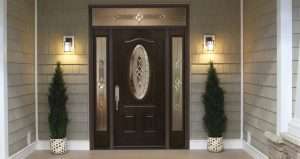
A common mistake in many siding projects is nailing the panels too tightly. When siding is pinned down, it has nowhere to go when the summer heat hits, leading to unsightly “waves” across your exterior. We also prioritize the installation of high-quality house wrap and moisture barriers beneath your insulated panels. This secondary layer ensures that your home remains breathable while blocking liquid water from reaching the sheathing. Achieving a precision fit around your Entry Doors is equally vital. Without a tight seal at these openings, your new siding cannot fully eliminate the drafts that drive up your energy costs.
Our Nassau County Service Commitment
Our roots in the community run deep, and we take immense pride in elevating the homes of our neighbors. We provide expert consultations and high-performance installations for families in Mineola, Westbury, New Hyde Park, Floral Park, and Manhasset. As a local leader, we treat every property as if it were our own, offering a low-pressure, consultative approach to home improvement. Whether you’re looking for a total aesthetic transformation or a strategic energy-efficiency upgrade, our seasoned professionals are here to guide you through every step of the process. We invite you to schedule a custom assessment to see how modern insulated vinyl siding Nassau County can renew your home’s performance and curb appeal.
Local Service Areas
Long Island Windows and Siding provides expert installation services across Nassau and Suffolk Counties. We are proud to serve residents in the following communities and surrounding areas:
- Nassau County: Hempstead, North Hempstead, Mineola, Westbury, New Hyde Park, Floral Park, Manhasset, Garden City, and Syosset.
- Suffolk County: Babylon, Islip, Brookhaven, Huntington, Smithtown, Babylon Village, Brightwaters, Huntington Bay, Lindenhurst, Patchogue, Port Jefferson, Sag Harbor, Bay Shore, Commack, Deer Park, Dix Hills, East Northport, Hauppauge, Holbrook, Melville, Northport, Ronkonkoma, Sayville, and Stony Brook.
Elevate Your Home’s Performance and Curb Appeal
Investing in a high-performance exterior is a decisive step toward protecting your home’s value and your family’s daily comfort. By selecting insulated vinyl siding Nassau County, you’re choosing a solution that eliminates thermal bridging, reduces monthly energy costs, and withstands the unique challenges of our coastal climate. Whether you’re refreshing a historic Colonial or a mid-century Ranch, the combination of advanced ProVia materials and precision installation ensures your home remains a quiet, efficient sanctuary through every season.
Long Island Windows and Siding has been a trusted neighbor since 1969. As a family-owned and operated authority, we take pride in our heritage of excellence and our thousands of 5-star reviews across the island. Our team of expert ProVia siding installers is ready to help you navigate the 2026 energy standards with confidence and ease. We invite you to take the next step in your home’s transformation by requesting a professional assessment from our seasoned team.
Get Your Free Nassau County Siding Estimate Today and discover the peace of mind that comes with a professionally protected home. Let’s work together to create an exterior that stands strong against the elements for decades to come.
Frequently Asked Questions
Is insulated vinyl siding really worth the extra cost?
Insulated siding is a worthwhile investment because it transforms your home’s exterior into a high-performance thermal envelope. While the upfront cost is higher than standard vinyl, it solves the problem of thermal bridging that causes significant heat loss through wall studs. This upgrade increases your home’s R-value and structural rigidity, which protects your property value and reduces long-term maintenance costs for your Long Island residence.
How much can I save on my energy bills with insulated siding in Nassau County?
Most Nassau County homeowners see a reduction in their heating and cooling bills of 15% to 20% after installation. Because utility rates in our region are among the highest in the nation, these monthly savings add up quickly over the years. By wrapping your home in a continuous layer of insulation, you’re not just saving money; you’re also reducing the constant strain on your HVAC system during extreme Atlantic weather.
Does insulated vinyl siding look different from regular vinyl siding?
Insulated panels provide a much more premium appearance than traditional hollow vinyl. The rigid foam core creates a solid foundation that keeps the siding perfectly flat and straight across the length of your home. This eliminates the “wavy” look often seen with cheaper materials. You’ll enjoy the aesthetic of custom-milled wood siding with the added benefit of a “set it and forget it” exterior solution.
Can insulated siding help with outside noise reduction?
Yes, the sound-dampening properties of contoured foam are a significant benefit for residents in busy neighborhoods. High-quality insulated systems can reduce the transmission of outside noise by up to 45%. Whether you live near the Long Island Expressway or a local thoroughfare like Sunrise Highway, this acoustic barrier creates a much calmer and more peaceful indoor environment for your family to enjoy.
How long does insulated vinyl siding last on Long Island?
Modern insulated systems are designed to last between 30 and 50 years on Long Island. The materials are specifically engineered to resist the corrosive effects of salt air and the intense UV exposure found in South Shore communities. Because the foam backing provides permanent structural support, the panels won’t become brittle or warp as easily as standard vinyl, ensuring your home looks excellent for decades.
Does insulated siding require special installation techniques?
Professional installation is critical because insulated panels require a “floating” method to handle thermal expansion. Siding must be hung with precision to allow it to slide slightly as temperatures change. If nailed too tightly, the panels will buckle and warp. Expert installers also focus on window flashings and corner posts to ensure a watertight seal that prevents moisture from becoming trapped behind the insulation.
Are there tax credits for installing insulated siding in 2026?
There are several financial incentives available for energy-efficient upgrades in 2026. Homeowners can often claim a federal tax credit of up to $1,200 for insulation improvements. Additionally, New York residents may be eligible for NYSERDA programs like EmPower+ or PSEG Long Island rebates. These incentives help offset the initial cost of installing insulated vinyl siding Nassau County, making the transition to a more efficient home much more affordable.
Is ProVia siding the best option for insulated vinyl?
ProVia siding is a top-tier choice for homeowners who prioritize both beauty and performance. Their systems are known for industry-leading R-values and exceptional color retention, even in harsh coastal environments. We’ve specialized in these high-performance installations for decades because they provide the durability and aesthetic appeal our neighbors expect. It’s a reliable solution that offers a perfect balance of traditional style and modern energy efficiency.