Schedule Your Window Installation Now — Beat Winter And Lock In Comfort And Savings
See our Referral Sheet With More Than 5,000 Satisfied Customers before you schedule a consultation with Long Island Windows and Siding.
………………Winter on Long Island brings crisp air, snowy mornings, and a lot of time spent inside. If your windows are drafty, single‑pane, or simply past their prime, waiting until spring to replace them means months of higher energy bills, chilly rooms, and unnecessary strain on your HVAC system. Replacing windows now locks in comfort, lowers heating costs, and gets your home winter‑ready — and many homeowners find winter installations are easier to schedule and often quicker to complete.
At Long Island Windows and Siding we specialize in energy‑smart window upgrades built for Long Island’s coastal climate. This guide explains why winter is a smart time to act, how to choose the right windows, the expected ROI, local testimonials, installation expectations, financing options, and a robust FAQ to help you decide. Throughout the post you’ll find direct ways to take the next step — Contact One Of Our Professionals Now for a no‑obligation quote and site evaluation.
Why Winter Is A Strategic Time To Replace Windows
Many homeowners assume exterior work must wait for warmer weather. The truth is installers are often less booked in winter, and that creates advantages:
- Faster scheduling: Winter demand is lower, so you can often find convenient appointment windows and quicker lead times.
- Immediate comfort gains: New insulated windows seal drafts right away, producing instant reductions in heating demand.
- Reduced disruption: Winter installations are executed with tight air‑sealing methods that minimize heat loss during the swap.
- Better focus on energy bills: Replacing windows in winter makes the savings immediate and obvious on subsequent heating bills.
- Project readiness for spring: Get exterior work completed now so any complementary projects (siding, painting) can start in warmer months.
If you live in an older Long Island home, winter is also an excellent time to reveal hidden issues — rot, failing flashing, or insulation gaps — and address them before spring projects begin. Contact Us Now to check availability and get a tailored plan.
How New Windows Improve Comfort, Safety, And Efficiency
Upgrading windows is more than a cosmetic choice. Thoughtful selection and professional installation deliver measurable performance improvements:
- Thermal performance: Modern multi‑pane windows with argon/krypton fills and Low‑E coatings reduce heat transfer and stabilize indoor temperatures.
- Draft elimination: Properly fitted windows with continuous air seals remove cold drafts and stop warm air from escaping.
- Moisture control: New windows paired with correct flashing and sill pans prevent water infiltration and hidden damage.
- Noise reduction: Laminated or acoustic glazing reduces exterior noise — a real benefit near busy roads or seasonal construction.
- Security upgrades: Multi‑point locking hardware and impact‑rated options improve safety and peace of mind.
Every installation at Long Island Windows and Siding includes a thorough assessment of the opening, recommended glass and frame packages, and documentation of expected energy performance improvements.
Call Now 800-735-1924
Choosing The Right Window For Your Long Island Home
The “best” window depends on your priorities: energy savings, aesthetics, maintenance, or budget. Here’s how to weigh the options.
- Frame materials: Vinyl, fiberglass, composite, and wood-clad options each offer tradeoffs. For coastal Long Island homes, fiberglass and high‑performance vinyl resist warping and salt corrosion better than basic aluminum.
- Glass packages: Double-pane or triple-pane units with gas fills and Low‑E coatings are the workhorses of efficiency. Choose coatings tuned for your orientation (south/west exposures benefit from stronger solar control).
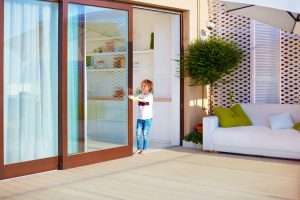
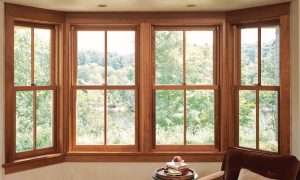
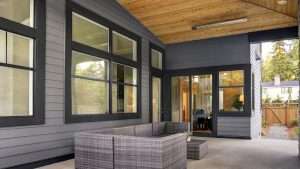
- Operation style: Casement and awning windows tend to seal tighter than standard double‑hung windows, while fixed picture windows maximize daylight and views. Sliding or multi‑panel patio doors are an excellent upgrade for balconies and decks.
- Sound control: Laminated glass or acoustic glazing reduces noise transmission for properties near main roads or high‑activity zones.
- Durability and finish: Factory-applied finishes and color options mean less exterior maintenance over the long term.
We’ll help you compare sample units on your home and model energy savings for each option. Contact One Of Our Professionals Now to schedule a sample review.
Real Long Island Results: Testimonials And Case Studies
Hearing from neighbors helps you make a confident decision. Here are a few representative examples from Long Island homeowners:
- “We replaced 12 windows in November and the difference was immediate. Rooms stay warmer and our next heating bill was noticeably lower.” — M.H., Nassau County.
- “The team found rot around a second-floor window during replacement and handled the repair quickly. We loved the communication and the final look.” — S.T., Suffolk County.
- “We upgraded to laminated acoustic glass near a busy road. Our living room is finally peaceful, and the house looks refreshed.” — D.R., South Shore.
Explore more verified local referrals and project photos on our Referral Sheet With More Than 5,000 Satisfied Customers to find projects similar to yours.
Local Benefits Specific To Long Island
Long Island presents unique weather and housing stock characteristics. Here’s how modern windows deliver local benefit:
- Coastal resilience: Salt air accelerates corrosion. Choosing coastal-rated frames and hardware extends service life.
- Humidity and condensation control: Low‑E coatings and proper ventilation strategies limit condensation in basements and older homes.
- Storm preparedness: Impact-rated or reinforced units reduce the likelihood of broken glazing during coastal storms.
- Historic compatibility: Many Long Island neighborhoods feature historic homes; modern cladding and window profiles can replicate traditional looks with modern performance.
We combine local materials knowledge with code familiarity so your installation meets both performance and aesthetic goals.
Energy Savings And ROI: Numbers That Matter
Window upgrades are a proven pathway to energy savings and improved home value. Typical savings and returns vary, but here are realistic examples for Long Island homes:
- Typical energy reduction: Replacing single‑pane or poorly sealed windows with ENERGY STAR rated units often reduces heating and cooling energy by 5–15% for the whole house, depending on existing conditions.
- Payback timeline: When paired with a targeted heating system and attic insulation improvements, the additional savings accelerate payback and increase net present value in resale scenarios.
- Resale value: Buyers increasingly expect documented energy upgrades. Certified windows, matched with warranty documentation and local referrals, can improve buyer confidence and appraisal comparables.
- Maintenance savings: Durable frames and finishes reduce repaint and repair cycles, saving money over the long term.
We produce a custom ROI model with each estimate that shows conservative annual dollar savings, simple payback, and lifecycle comparisons so you can choose the most cost‑effective option.
Installation Expectations: What To Expect On Project Day
A great installation minimizes disruption and protects your home. Here’s our typical process:
- Pre‑job inspection and measurement: Confirm openings, assess existing framing and sheathing, and identify hidden damage.
- Site protection: We protect floors, carpets, and landscaping with drop cloths and safe pathways.
- Removal and opening preparation: Careful removal of old windows and inspection of the rough opening; repairs are proposed if needed.
- Proper flashing and sill pans: We install code‑compliant sill pans and flashing to ensure water management integrity.
- Precision set and sealing: Windows are shimmed, plumbed, and fastened per manufacturer specs; continuous air‑sealing completes the thermal envelope.
- Hardware and final adjustments: Locks, balances, and operating hardware are adjusted before cleanup.
- Walkthrough and documentation: We review inspections, warranties, operating instructions, and provide a homeowner care guide.
Winter installations use targeted air‑sealing methods so indoor heat loss during the swap is minimized and the job proceeds efficiently.
Call Now 800-735-1924
Financing, Incentives, And Timing Strategies
Budget and incentives matter. Here’s how to structure a plan:
- Financing: Manufacturer and dealer financing options spread the cost across manageable monthly payments.
- Rebates and incentives: Federal, state, and utility rebates shift over time; we include potential scenarios and help you apply.
- Timing: Winter bookings often have promotional pricing or promotional availability from manufacturers; act early to secure the best materials and crews.
- Bundling: Combine window upgrades with attic insulation, siding, or HVAC tune‑ups for stronger energy savings and improved incentive eligibility.
Talk to our team about tailored financing and incentive checks during your consultation. Contact Us Now to review your options.
Maintenance Tips To Maximize Lifespan And Performance
Small habits keep new windows performing at peak:
- Annual track and sill cleaning prevents debris buildup and ensures proper drainage.
- Inspect weatherstripping and replace per manufacturer recommendations.
- Clean glass with non‑abrasive cleaners to avoid damaging Low‑E coatings.
- Lubricate locks and balances with manufacturer‑approved products.
- Schedule a seasonal checkup if you live near the shore to catch corrosion early.
We provide a homeowner care guide and annual maintenance reminders for installed systems.
When Replacement Reveals Hidden Damage: What Happens Next
Older homes often hide problems that only become visible during removal. Typical issues and our approach:
- Rotten sheathing or framing: We document damage, propose repair options, and secure homeowner agreement before proceeding.
- Compromised flashings: We replace and upgrade flashings to modern standards to prevent repeat problems.
- Insect or pest damage: We coordinate with specialists to treat and repair affected areas.
- Insulation gaps: We offer targeted cavity or continuous exterior insulation to restore thermal performance.
Transparent communication and documented proposals keep projects on track and ensure the final result is both beautiful and durable.
Three Helpful Definitions
- Fenestration — the arrangement of windows and doors on a building’s facade; understanding fenestration helps you balance daylight, ventilation, and performance (see Fenestration on Wikipedia
- Insulation — materials and systems that resist heat flow; choosing the right insulation strategy with window upgrades improves whole‑house performance (see Insulation on Wikipedia
- Thermal bridge — a path where heat bypasses insulation through more conductive materials, reducing overall thermal effectiveness; addressing thermal bridges improves energy savings (see Thermal Bridge on Wikipedia:
Local Project Examples And What Homeowners Report
Project: South Shore Colonial
- Scope: Whole‑house window replacement with Low‑E, argon‑filled units and upgraded frames.
- Result: Owner reported immediate comfort gains, less noise, and a 10% reduction in heating usage the first winter.
Project: North Shore Bungalow
- Scope: Selective window replacement focused on west‑facing living areas and a new multi‑panel patio door.
- Result: Improved afternoon comfort, better glare control, and a more usable indoor/outdoor transition.
Project: Townhouse Retrofit
- Scope: Upper‑floor acoustic glazing and new operable vents to reduce condensation.
- Result: Quieter nights and lower HVAC cycling — especially helpful during cold snaps.
Find comparable examples in our long list of satisfied customers on the Referral Sheet With More Than 5,000 Satisfied Customers.
Frequently Asked Questions
1. Can windows be replaced in cold weather?
Yes. Competent installers use targeted air‑sealing and rapid set procedures so indoor heat loss is minimized and the project proceeds smoothly.
2. Will my house be too cold during the swap?
Installers take steps to limit heat loss. Swaps are staged and sealed quickly; short exposures are managed and most homeowners report minimal disruption.
3. How soon will I see energy savings?
Savings begin immediately after installation. Most homeowners notice lower heating bills the first full billing cycle following replacement.
4. What glass package should I choose for Long Island?
Double or triple‑pane units with argon or krypton fills and Low‑E coatings tuned to your orientation provide the best balance of comfort and solar control.
5. Do you handle historic homes?
Yes. We offer historically sympathetic profiles and exterior trim options that maintain character while upgrading performance.
6. What if hidden rot is discovered?
We document findings, propose repairs, and prioritize structural and WRB repairs before closing the wall assembly.
7. Are there financing options?
Yes. We provide manufacturer and dealer financing and help identify applicable rebates and incentives.
8. How long does an installation take?
Single‑window installs often finish in a few hours; whole‑house replacements are scheduled in phases with clear timelines provided.
9. How do I maintain new windows?
Clean tracks, inspect seals, and follow manufacturer lubrication guidance. We supply a homeowner care guide with every job.
10. Can I get impact‑rated windows?
Yes. For coastal properties or high‑exposure sites, we can specify impact‑rated assemblies to meet local code and insurance requirements.
11. Will new windows reduce outside noise?
Yes. Laminated or acoustic glazing options significantly reduce airborne noise, improving interior comfort.
12. How do I choose between vinyl, fiberglass, and wood frames?
Choose based on budget, maintenance tolerance, and exposure. Fiberglass and composite frames perform well in coastal environments; high‑performance vinyl offers strong value.
Conclusion
Winter is not a reason to wait — it’s the reason to act. Replacing windows now delivers immediate comfort, measurable energy savings, and the peace of mind that comes from a properly sealed, modern building envelope. Long Island Windows and Siding combines local expertise, documented referrals, and detailed ROI modeling to help you choose the right products and the right schedule for your home.
Review our Referral Sheet With More Than 5,000 Satisfied Customers and Contact One Of Our Professionals Now to start your assessment.
Call Now 800-735-1924
Simpy CLICK HERE Or – Call Now 800-735-1924 to start your upgrade today!