If your home’s exterior had to survive a week of freezing January winds followed by a July salt spray from the Sound, would it still look brand new? Most Long Island homeowners know that our coastal environment is a brutal testing ground for building materials. You have probably seen local houses with warped panels or faded finishes that simply could not handle the Suffolk County humidity. It is a common frustration that leads to high energy bills and a steady loss of curb appeal over time.
Choosing between vinyl vs fiber cement siding Long Island is about more than just aesthetics; it is about securing a durable exterior that lasts 30 years or more. We will help you discover which material best withstands our climate while maximizing your resale value and protecting your investment. This 2026 guide breaks down the latest New York State Energy Code requirements, compares maintenance needs, and explores how to stack local utility rebates to make your home renovation as efficient as it is beautiful. We are here to ensure your home remains a pillar of the community for decades to come.
Key Takeaways
- Understand how Long Island’s coastal salt air and high humidity impact the longevity and appearance of different exterior finishes.
- Compare the resale value and long-term durability of vinyl vs fiber cement siding Long Island to determine the best investment for your home.
- Discover how the 2026 New York State Energy Code updates impact your siding project and which systems help lower monthly utility costs.
- Learn the maintenance realities of each material, ensuring your home’s exterior remains pristine with minimal effort for 30 years or more.
- Gain a clear framework for choosing a siding style that complements your home’s unique architectural heritage, from traditional Colonials to modern Ranches.
The Long Island Climate Challenge: Why Siding Choice Matters
Living on the coast of Suffolk County is a unique privilege, but it places extraordinary demands on your home’s exterior. Our geography means every house is essentially a barrier against the North Atlantic’s relentless elements. When evaluating vinyl vs fiber cement siding Long Island homeowners must look beyond simple aesthetics. The decision involves choosing a material that can survive a climate defined by high humidity, corrosive salt air, and dramatic temperature swings that would compromise lesser products in just a few seasons.
Salt Air and Humidity: The Silent Siding Killers
Coastal towns such as Islip and Brookhaven experience a constant “salt fog” that can penetrate and degrade inferior finishes. This salt air acts as a catalyst for oxidation, often causing lower-quality materials to become brittle or lose their vibrant color. Beyond the visible surface, managing the humidity of the Sound and the Atlantic is a primary concern. Without a professional moisture management system and high-quality house wrap, moisture trapped behind the panels can lead to mold and mildew. This is a frequent issue for properties in shaded, wooded areas like Smithtown or Huntington, where dampness lingers long after a storm passes. Modern Vinyl siding and fiber cement are both engineered to resist this moisture, but their performance depends heavily on the precision of the installation.
Wind Resistance and Storm Performance on the Coast
Our region is a designated high-velocity wind zone, making storm performance a non-negotiable factor for families in Port Jefferson and Patchogue. Fiber cement is a heavy, rigid material that offers exceptional stability during 100-mph gusts. It remains anchored and silent even when the wind howls. In contrast, vinyl is a lighter, more flexible option. While it is designed to “give” slightly under pressure, poorly installed vinyl can produce a distracting “rattle” during a Nor’easter. This flexibility can be a benefit, however, as it allows the material to absorb the impact of small flying debris without cracking.
The “Freeze-Thaw” cycle is another local hurdle. Suffolk County winters often feature freezing nights followed by rapid afternoon thaws. These temperature swings cause siding to expand and contract at an aggressive rate. If the material is too brittle or installed without proper thermal gaps, it will eventually warp or “oil-can,” ruining your home’s silhouette. We prioritize materials and techniques that account for these physical changes, ensuring your home’s structural integrity remains uncompromised regardless of the season.
Vinyl vs. Fiber Cement Siding: A Material Science Breakdown
Understanding the engineering behind vinyl vs fiber cement siding Long Island projects is the first step toward a successful home transformation. While both materials offer a significant upgrade over aged cedar or aluminum, they achieve their durability through very different chemical and physical compositions. Modern vinyl is primarily composed of Polyvinyl Chloride (PVC) resin, which is then blended with impact modifiers and UV stabilizers to prevent the material from becoming brittle under the harsh sun. This creates a flexible, resilient panel that can absorb minor impacts without denting or cracking.
Fiber cement takes a more industrial approach to residential protection. It is a composite material made from the following core ingredients:
- Portland Cement: Provides the structural strength and fire resistance.
- Sand: Acts as a filler to add bulk and durability.
- Cellulose Wood Fibers: Offers flexibility and helps the material hold its shape.
This mixture is steam-cured under high pressure to create a dense, rock-hard board that mimics the weight and feel of real masonry. Because it lacks the organic “food source” found in traditional wood, it is naturally resistant to the wood-boring insects often found in more wooded Suffolk County communities like Dix Hills or Stony Brook.
The Evolution of Modern Vinyl Siding
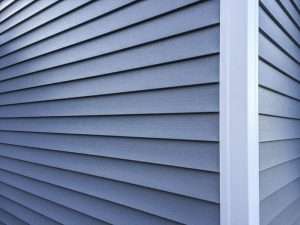
The “plastic” look of the past has been replaced by premium textured finishes that feature deep wood-grain patterns and realistic shadow lines. High-quality options, such as the Provia systems we install, utilize color-through technology. This means the pigment is baked directly into the material rather than just applied to the surface, ensuring that minor scratches remain virtually invisible. To achieve these results, working with experienced vinyl siding contractors is essential. Proper installation requires precise expansion gaps to allow the PVC to move naturally with our local seasonal temperature swings without buckling.
The Composition and Strength of Fiber Cement
The sheer density of fiber cement provides a level of fire resistance and structural rigidity that vinyl cannot match. It is a non-combustible material, which can be a reassuring safety feature for families in more densely populated neighborhoods like Brentwood or West Babylon. While some homeowners worry about the material being “brittle,” modern formulations have improved impact resistance significantly. It handles the occasional stray baseball or heavy hail with ease.
Weight is a critical consideration for older home frames. Fiber cement is significantly heavier than vinyl, often requiring a structural assessment of the wall studs before installation begins. If you are curious about how these materials might look on your specific property, we invite you to explore our custom siding solutions to see which material aligns with your home’s unique architectural needs.
Comparing Durability, Maintenance, and Resale Value in 2026
Choosing a siding material is an investment in your home’s future stability. When weighing vinyl vs fiber cement siding Long Island homeowners should consider how each choice interacts with the entire building envelope. A high-quality siding installation works in tandem with energy efficient windows Nassau County residents rely on to meet the stricter 2026 New York State Energy Code. While vinyl offers a respectable lifespan of 20 to 40 years, fiber cement is often viewed as a “generational” choice, frequently lasting 30 to 50 years when maintained correctly.
Maintenance: Low Upkeep vs. Long-Term Care
For many busy families in towns like Babylon or Brookhaven, the “wash and go” nature of premium vinyl is its greatest selling point. A simple annual power washing is usually all that is required to keep the panels looking fresh. Fiber cement offers a different trade-off. It provides a stunning, authentic aesthetic, but it generally requires a fresh coat of paint every 10 to 15 years to maintain its protective qualities. This is especially relevant in sunny, exposed areas like Montauk or the North Fork, where intense UV exposure can cause finishes to fade faster than in more sheltered inland hamlets. It’s a matter of deciding if you prefer the convenience of PVC or the classic, paintable surface of cement composites.
ROI and Resale Value for Long Island Properties
In the competitive real estate markets of Smithtown and Huntington, first impressions are everything. Based on recent 2025 industry data, fiber cement siding replacement projects on Long Island offer a return on investment of 80–88% at resale. Vinyl remains a strong contender, providing a return of 74–80%. Buyers often perceive fiber cement as a premium upgrade, which can lead to faster sales and higher appraisals in high-end neighborhoods. However, modern vinyl’s minimal maintenance still makes it the preferred choice for those looking for immediate value without future labor commitments.
The implementation of the mandatory 2026 energy code means that any siding project now requires a deeper focus on insulation and air sealing. Whether you choose the rugged durability of cement or the versatile efficiency of vinyl, the goal is a home that remains comfortable during a January freeze and affordable during an August heatwave. We see these improvements as more than just repairs; they are a way to preserve the legacy of your property for the next thirty years. High-quality materials ensure that your home’s curb appeal remains a point of pride for your family and a benefit to the entire community.

A Homeowner’s Framework for Deciding Between Materials
Selecting the right exterior is a balance of immediate needs and long-term vision. When evaluating vinyl vs fiber cement siding Long Island homeowners must look past the surface to consider the total cost of ownership. While the initial investment for vinyl is typically lower, fiber cement offers a different value proposition through its extended lifespan and premium market perception. Your decision often rests on three primary factors:
- Financial Horizon: Are you looking for the best return on a five-year stay, or are you building a thirty-year legacy for your family?
- Architectural Style: Does your home feature the intricate trim of a Victorian or the clean, simple lines of a Modern Ranch?
- Maintenance Appetite: Do you prefer a “set it and forget it” solution, or are you comfortable with periodic repainting to maintain a specific custom color?
Environmental impact has also become a primary concern for Suffolk County residents. Modern vinyl is increasingly recyclable, and its lightweight nature reduces the carbon footprint during transportation. Fiber cement is composed of sustainable raw materials like sand and wood fiber, though its manufacturing process is more energy-intensive. Regardless of the material, professional installation is the only way to secure full warranty protection. At Long Island Windows and Siding, we ensure every flashing detail and expansion gap meets manufacturer specifications to protect your investment for decades.
When to Choose Vinyl Siding
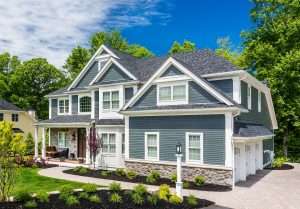
Vinyl is the ideal choice for homeowners who prioritize maximum value and minimal upkeep. If you live in a community with a consistent aesthetic, such as the classic Ranch-style neighborhoods in Brentwood or West Babylon, premium vinyl provides a seamless and beautiful transformation. It is perfect for those seeking a fast, efficient renovation that eliminates the need for future painting. Because it is a “color-through” material, it handles the everyday wear of a busy suburban household without showing its age. If you are ready to refresh your home’s look, you can schedule a professional siding consultation to explore our latest textures.
When to Invest in Fiber Cement
Fiber cement is the preferred material for premium “historic” looks, especially for Victorian homes in Sag Harbor or traditional Colonials in Huntington. Its rigidity and thickness allow for deep wood-grain textures and crisp shadow lines that are virtually indistinguishable from real cedar. It is the best choice for families planning to remain in their homes for 30 years or more, as it provides unmatched fire resistance and structural stability. In high-wind coastal areas like Shoreham or Mastic Beach, the sheer weight and density of fiber cement offer a level of peace of mind that lighter materials cannot match. It is a commitment to excellence that pays dividends in both daily enjoyment and future resale value.
Expert Siding Installation Across Suffolk and Nassau Counties
Long Island Windows and Siding has been a fixture in the local community since 1969. We understand that the debate between vinyl vs fiber cement siding Long Island often comes down to the quality of the hands doing the work. A premium material is only as good as its installation. We take deep-seated pride in our craft. Our team ensures every panel is perfectly aligned and every corner is sealed against the elements. We provide the stability and permanence you expect from a high-end service provider who has served the region for over five decades.
In our humid coastal climate, what happens behind the siding is just as important as the panels themselves. We prioritize advanced house wrap systems and precision-cut flashing. These components are your home’s primary defense against the moisture issues that plague many Suffolk County properties. Without these specialized moisture management systems, even the most expensive fiber cement can fail. Whether you are comparing vinyl vs fiber cement siding Long Island homeowners can trust our team to provide an honest, professional assessment of which system best protects their specific structure.
Our Local Service Area and Community Commitment
We are more than just contractors; we are your neighbors. Our roots run deep in communities like Centereach, Selden, and Medford. We have spent decades transforming homes from Babylon to Stony Brook and everywhere in between. This historical connection to the area drives our commitment to excellence. We believe in a low-pressure, consultative approach to home improvement. We don’t use aggressive sales tactics. Instead, we invite you to visit our showroom to see the textures and colors of our Provia siding systems in person. It is a chance to explore your options at your own speed with the help of a seasoned professional.
The Importance of a Local, Family-Owned Contractor
Accountability is the cornerstone of our business. Having survived and thrived for over 50 years in the same area means we stand by every project we complete. “Storm chaser” contractors often arrive after a big Nor’easter and disappear just as quickly. They lack the specialized tools and local knowledge required for Long Island’s unique weather patterns and building codes. We rely on a legacy of results rather than hype. Our manufacturer-backed warranties offer a sense of permanence that transient companies simply cannot match. If you are ready to elevate your home’s exterior, we are here to help. Contact us today for a free, no-obligation siding estimate and experience the difference that local expertise can make.
Elevate Your Home’s Protection and Curb Appeal
Deciding between vinyl vs fiber cement siding Long Island is a significant choice that impacts your home’s comfort and financial value for decades. We have explored how material science, maintenance requirements, and 2026 energy codes play a role in this decision. Whether you prioritize the low-maintenance versatility of premium vinyl or the rugged, historic aesthetic of fiber cement, your goal remains the same: a beautiful exterior that stands strong against the North Atlantic elements.
Since 1969, Long Island Windows and Siding has been the trusted local partner for thousands of families across Suffolk and Nassau. As authorized Provia siding installers, we bring over 50 years of neighborly expertise to every project, ensuring your home transformation is handled with the precision it deserves. We invite you to Get Your Free Siding Consultation Today to start your custom project with a team that values quality as much as you do.
Your home is your most valuable asset, and we are honored to help you protect its legacy. We look forward to helping you create an exterior you will be proud of for the next thirty years and beyond.
Frequently Asked Questions
Is fiber cement siding better than vinyl for Long Island coastal homes?
The choice depends on your specific priorities, though fiber cement offers superior resistance to salt air and high winds. Its dense composition prevents the rattle often heard in vinyl during coastal storms. However, premium vinyl is a highly effective and more budget friendly alternative for many Shoreham or Mastic Beach properties. Both materials are engineered for durability, but fiber cement provides a more rigid barrier against the North Sea elements.
How much more does fiber cement siding cost compared to vinyl?
Fiber cement generally requires a higher initial investment than vinyl due to its weight and specialized installation requirements. The price difference is primarily driven by the labor involved; fiber cement boards are significantly heavier and require larger crews and specific cutting tools. While we don’t provide exact quotes without a consultation, homeowners should expect a higher project total for cement based products. This reflects the material’s 50 year lifespan and premium aesthetic.
Does vinyl siding fade in the sun on Long Island?
Modern premium vinyl is highly resistant to UV fading, though some minor color changes are natural over decades of exposure. High quality systems like Provia use advanced stabilizers to protect the pigment from the intense summer sun in open areas like Montauk. Unlike older products from thirty years ago, today’s vinyl features color through technology. This means the vibrant shade you choose remains consistent even if the surface suffers a minor scratch.
Can you install fiber cement siding over existing wood siding?
We don’t recommend installing fiber cement over existing wood siding, as it can trap moisture and compromise your home’s structural integrity. A proper installation requires removing the old material to inspect the underlying sheathing for rot or damage. This is especially critical in humid Suffolk County hamlets. Starting with a clean surface allows us to install a high quality house wrap and flashing system, ensuring your new exterior remains dry and secure.
What is the best siding for resale value in Suffolk County?
Fiber cement currently offers the highest return on investment for homeowners in competitive markets like Huntington and Smithtown. When comparing vinyl vs fiber cement siding Long Island buyers often perceive the latter as a high end upgrade. Local real estate data suggests that fiber cement projects can recoup between 80% and 88% of their value at resale. However, premium vinyl remains a strong second choice, offering excellent curb appeal with lower ongoing maintenance.
How long does a typical siding installation take in Nassau County?
Most siding projects on a standard Long Island home are completed within seven to ten business days. This timeline can vary based on the size of your property and the material you choose. Fiber cement often takes slightly longer than vinyl because the boards are heavier and require more precise cutting and fastening techniques. Our team works methodically to ensure every flashing detail is perfect, minimizing disruption to your routine while maintaining our high standards.
Does new siding help lower my Long Island energy bills?
Yes, especially when paired with the rigid foam insulation required by the 2026 New York State Energy Code. Replacing your exterior allows us to seal air leaks that cause drafts in older homes in towns like Babylon or Islip. By creating a tighter building envelope, your heating and cooling systems don’t have to work as hard. This leads to noticeable savings on your PSEG Long Island bills throughout the entire year.
Is fiber cement siding fire-resistant?
Fiber cement is a non combustible material that won’t ignite or act as fuel for a fire. This provides an essential safety layer for families in densely populated neighborhoods like Brentwood or Central Islip. While it won’t make a house fireproof, its Portland cement and sand composition offers a much higher melting point than traditional wood or vinyl. It is a reassuring choice for those who prioritize maximum protection for their property.
Our Long Island Siding Service Area
Long Island Windows and Siding is proud to serve homeowners across Nassau and Suffolk Counties. Our local expertise is rooted in decades of successful installations in the following communities:
- Suffolk County: Babylon, Islip, Brookhaven, Huntington, Smithtown, Patchogue, Port Jefferson, Sag Harbor, Shoreham, Bay Shore, Commack, Deer Park, Dix Hills, East Northport, Hauppauge, Holbrook, Kings Park, Lindenhurst, Melville, Northport, Ronkonkoma, Sayville, Selden, and Stony Brook.
- Villages and Hamlets: Babylon Village, Belle Terre, Brightwaters, Huntington Bay, Islandia, Lake Grove, Nissequogue, Poquott, and Port Jefferson Station.
- East End and Coastal Areas: Mastic Beach, Miller Place, Mount Sinai, Rocky Point, Sound Beach, and West Sayville.
We invite you to experience the reliability and craftsmanship that only a local, family owned contractor can provide. Whether you are in the heart of Huntington Station or the quiet streets of Saint James, we are your neighbors in home improvement.