Many homeowners assume that high-end wood frames are the only way to maintain a classic look in neighborhoods like Centereach or Islip, but in 2026, the obvious choice might actually be the opposite. You probably already know the frustration of watching your utility bills spike during a brutal Suffolk County winter or worrying about how the humid, salty air might warp your window frames. It’s a common stress, yet choosing the right material can transform your home into a sanctuary of efficiency and style.
In this guide, we’ll break down the vinyl windows pros and cons Long Island families should consider before their next renovation. You will discover how modern vinyl stacks up against traditional wood in terms of coastal durability, maintenance, and thermal performance. We’ll also look at how these upgrades can increase your home’s resale value by 7% to 10%, ensuring your investment is as stable as the community we serve.
Key Takeaways
- Understand how modern vinyl engineering protects your home against Long Island’s coastal humidity and freezing winter temperatures.
- Evaluate the vinyl windows pros and cons Long Island residents encounter, from impressive thermal resistance to the potential 7% to 10% boost in property value.
- Compare the 20 to 40 year lifespan of vinyl frames against the constant maintenance and painting cycles required by traditional wood options.
- Identify the best window styles for your specific microclimate, whether you are facing the high salt concentrations of the South Shore or the wind loads of the North Shore.
- Learn why expert installation is the most critical factor in achieving the maximum energy efficiency and durability for your investment.
The Long Island Window Dilemma: Balancing Performance and Preservation in 2026
Living on the island means balancing the beauty of our shorelines with the reality of our weather. For many homeowners, 2026 is a year of decision. Choosing a window material isn’t just about looks; it’s about survival against the elements. Whether you’re bracing for a winter Nor’easter or enduring a humid July in Islip, your windows are your home’s first line of defense. We understand the emotional weight of home improvement. You want a home that looks timeless. You want a home that remains reliable. You want a home that doesn’t require a second job to maintain. This year, building codes are stricter than ever, pushing local residents to prioritize high-performance materials that can handle our unique coastal environment.
Understanding the Coastal Impact on Window Frames
The salt spray from the Atlantic Ocean and the Long Island Sound is relentless. It eats away at traditional wood frames, leading to rot and expensive repairs in coastal communities like Northport or Patchogue. While older generations might remember 1970s PVC as flimsy, modern technology has changed everything. Today’s uPVC or vinyl sash windows use multi-chambered designs that provide structural integrity and resistance to corrosion that wood simply can’t match. When weighing the vinyl windows pros and cons Long Island residents face, the ability to withstand salt air without warping is a major advantage. These frames don’t just sit in the opening; they protect the very structure of your home from moisture intrusion.
The Shift Toward Energy Efficiency in Nassau and Suffolk
Utility costs across Nassau and Suffolk continue to rise, making insulation a top priority. High-performance vinyl frames are designed to meet the 2026 New York City Energy Conservation Code, which sets a maximum U-value of 0.28 for non-metal frames. Understanding Energy efficient windows Nassau County standards can help you secure better returns on your investment. Two key numbers matter most for our local weather patterns: the U-factor and the Solar Heat Gain Coefficient (SHGC). A low U-factor keeps your heat inside during a Brookhaven blizzard, while the right SHGC prevents your living room from becoming an oven during a summer heatwave. Balancing these vinyl windows pros and cons Long Island factors ensures your home stays comfortable year-round without draining your savings.
- Durability: Vinyl resists the peeling and cracking common in humid Islip summers.
- Maintenance: Eliminate the need for scraping and painting every five years.
- Savings: ENERGY STAR-certified models can save homeowners between $100 and $600 annually on energy bills.
Analysing Vinyl: The Real-World Pros and Cons for Local Homes
Determining if vinyl is the right fit involves more than just looking at a price tag. It’s about how the material performs when a February freeze hits Brookhaven or when the July sun beats down on your patio. When we look at the vinyl windows pros and cons Long Island residents weigh most heavily, thermal performance and maintenance always top the list. However, the quality of the extrusion, the process of shaping the vinyl, often matters more than the material itself. A high-grade frame provides a level of stability that cheaper alternatives simply can’t match. It’s the difference between a window that lasts a decade and one that protects your home for forty years.
Advantages: Efficiency and Ease
The most immediate benefit is the unmatched thermal resistance. Modern vinyl frames feature fusion-welded corners and multi-chambered interiors that create a truly air-tight seal. This design is central to meeting the 2026 Energy Star 7.0 standards, which demand higher efficiency than ever before. Comparing window frame materials shows that vinyl’s low conductivity makes it an excellent insulator for our fluctuating climate. Beyond the utility bills, there’s the peace and quiet. If you live near the Long Island Expressway or a busy Islip thoroughfare, you’ll notice how these thick, multi-pane units dampen exterior noise. It’s a zero-maintenance lifestyle; you can finally retire the scraper and paintbrush for good.
Disadvantages: Design and Repair
No material is perfect for every single application. Vinyl does have structural limitations for massive architectural openings that might require the reinforcement of steel or fiberglass. You also have to be certain about your color choice. Unlike wood, you cannot simply paint vinyl if you decide to change your siding color later. We often hear concerns about warping, but that’s largely a myth in 2026. Modern frames utilize advanced heat-reflective coatings that prevent the material from absorbing excessive thermal energy, even in direct sunlight. While wood might still be the standard for certain historic Westbury estates, vinyl offers a level of consistency that’s hard to beat. If a unit is damaged, DIY repairs are difficult, making professional replacement the more reliable path. If you’re ready to see how these benefits apply to your home, our team can help you explore high-quality window options tailored for our local environment.
- Acoustic Insulation: Significant reduction in street noise for homes near major LI roads.
- Color-Fast Technology: 2026 coatings ensure dark frames don’t fade or absorb excess heat.
- Structural Integrity: Quality extrusions prevent the sagging often seen in “big box” bargain windows.
Wood vs. Vinyl Windows: Comparing Durability and ROI in Coastal Environments
Choosing between wood and vinyl often feels like a choice between tradition and technology. While wood has historical charm, the reality of living in Suffolk County often makes vinyl the superior long-term partner. When exploring the vinyl windows pros and cons Long Island residents face, the most striking difference is the maintenance schedule. A high-quality vinyl window carries a lifespan of 20 to 40 years with almost no intervention. Wood, however, requires a dedicated owner willing to sand, prime, and paint every five years to prevent the humid air from taking hold. For many, the peace of mind that comes with a rot-proof material is the ultimate luxury.
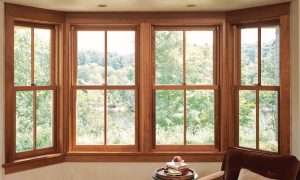
Many homeowners worry that switching to vinyl means losing that classic aesthetic. Modern engineering has closed this gap effectively. Today’s vinyl double hung windows feature wood-grain textures and slim profiles that satisfy even the most discerning eye. In towns like Centereach, prospective buyers often prefer updated vinyl over original wood. They see it as a sign of a home modernized for efficiency and low-effort living. It’s an investment that pays dividends both in daily comfort and future resale value.
Performance in Salt Air and Humidity
On the South Shore, in communities like Babylon and Islip, wood rot is the primary enemy of home preservation. The constant exposure to salt spray and high humidity creates a breeding ground for fungal growth in organic materials. Vinyl is naturally immune to these issues because it doesn’t absorb moisture or support mold. The coastal performance gap represents the stark divide between a material that actively resists salt-induced decay and one that requires constant chemical treatment to survive. This immunity ensures your frames remain as tight and functional as the day they were installed.
Long-Term Financial Breakdown
From a financial standpoint, the return on investment for vinyl replacement in Nassau and Suffolk remains high, typically reaching between 68% and 75%. In Huntington, a typical home upgrade to Energy Star 7.0 models yields significant annual savings on climate control. Understanding Energy Performance Ratings for Windows is essential to ensure you’re getting the best return for your specific microclimate. While wood might seem prestigious, the hidden costs of professional staining and sealing over two decades can double your initial investment. Vinyl remains the smart choice for most local budgets, offering a blend of upfront affordability and long-term reliability.
- Maintenance Savings: Save thousands over 20 years by eliminating professional painting cycles.
- Resale Appeal: High-performance vinyl is a major selling point for modern Long Island buyers.
- Coastal Resilience: Total resistance to the salt-air corrosion that plagues South Shore wood frames.

Choosing Your Perfect Fit: How Local Microclimates Dictate Material Choice
Long Island isn’t a single climate zone; it’s a collection of microclimates that each demand a different engineering approach. When evaluating the vinyl windows pros and cons Long Island homeowners must consider their specific proximity to the water. A home nestled in the hills of Poquott or Port Jefferson faces different wind loads than a ranch in Smithtown. While the ranch might prioritize thermal insulation to combat the stagnant heat of central Suffolk, the North Shore Victorian requires structural reinforcement to handle the gusts coming off the Sound. Choosing the right glass package is just as vital as the frame itself. Argon gas is the standard for most local homes, but Krypton gas offers superior performance in the thinner gaps of certain high-efficiency units, making it ideal for maximum exposure areas.
Location-Specific Recommendations
In Suffolk County, building requirements often focus on resilience against wind-borne debris. If you’re upgrading a home in Mastic Beach or Shirley, you’ll need frames that can withstand the pressure of a coastal storm without bowing. Nassau County residents in densely populated areas like Levittown often have different priorities, such as noise reduction from local traffic and neighbors. High-performance vinyl is exceptionally good at creating a sound barrier. We also recommend specialized Low-E coatings for every local installation. These microscopic layers of silver or tin oxide reflect infrared light, keeping your interior cool during a scorching Westbury summer while protecting your furniture from UV fading.
Selecting the Right Style for Vinyl
The architectural diversity of our island requires a versatile material. Whether you’re maintaining the curb appeal of a classic Babylon Village Colonial or updating a sprawling Ranch in Commack, the style of the window dictates its performance. For example, casement windows often perform better in high-wind coastal areas because the wind actually pushes the sash tighter against the frame’s seals. This creates a more secure environment when a Nor’easter hits the South Shore. Slider windows are popular for modern LI renovations because they offer expansive glass areas and effortless operation in tight spaces like kitchens or mudrooms. Matching these styles to your home’s unique footprint ensures you get the most out of your vinyl windows pros and cons Long Island assessment.
If you’re unsure which configuration best suits your local microclimate, schedule a professional consultation with our team to explore the best options for your specific neighborhood.
- North Shore Needs: Focus on high wind-load ratings and Krypton gas packages for elevation.
- South Shore Needs: Prioritize salt-resistant hardware and impact-resistant glass for storm surge zones.
- Central Island Needs: Emphasize maximum U-value ratings to lower heating and cooling costs in open terrains.
Securing Your Investment with Long Island’s Seasoned Window Professionals
Even the most technologically advanced glass package is only as good as the seal around it. When you weigh the vinyl windows pros and cons Long Island families must recognize that installation quality accounts for at least 50% of a window’s long-term performance. A poorly fitted frame leads to drafts, moisture intrusion, and early seal failure, regardless of how much you spent on the unit itself. Our approach centers on precision and permanence, ensuring that your investment in energy efficiency is protected for the next forty years. We understand that home improvement is a significant step, and we aim to make it a seamless transition for your household. If you are also exploring options in the neighboring New Jersey area, you can discover Window Galaxy USA to learn about their commitment to professional installation and durability.
Long Island Windows and Siding has been a fixture in our local community since 1969. As a family-owned business, our roots run deep in the neighborhoods we serve. We aren’t just contractors; we’re your neighbors in Huntington and Babylon. This legacy of accountability is why we avoid aggressive sales tactics in favor of a steady, composed delivery. We believe in building relationships based on mutual trust and clear communication. We don’t believe in high-pressure tactics. Instead, we offer a low-pressure, consultative experience that respects your time, your home, and your budget.
The Value of 50+ Years of Local Experience
Our long-term industry presence provides a stable and trustworthy atmosphere for every homeowner we meet. This depth of experience is what places us among the best window replacement companies for residents who value proven results over hype. During a professional consultation in Islip or Centereach, you can expect a methodical assessment of your home’s specific needs. We look at the wind exposure, the architectural style, and the current state of your frames. We also help you navigate the 2026 PSEG Long Island rebates, ensuring you capture every available saving for your ENERGY STAR upgrades. It’s about transformation and renewal, elevating your home’s comfort while securing its future value.
Our Long Island Service Area
Our service area spans the entirety of Suffolk and Nassau Counties, reflecting our historical connection to the region. We provide expert installations for homeowners in Brookhaven, Smithtown, and Patchogue. From the quiet streets of Stony Brook and Sayville to the bustling communities of Selden and Port Jefferson, our team is ready to deliver the craftsmanship your home deserves. We take pride in every project, knowing that our results contribute to the lasting beauty of the island we call home. Whether you’re in West Islip or East Northport, we invite you to explore a partnership based on excellence and local trust.
- Consultative Approach: Personalized assessments that prioritize your home’s unique architectural needs.
- Verified Savings: Guidance on 2026 PSEG rebates to maximize your energy efficiency return.
- Local Accountability: A legacy of consistency serving Suffolk and Nassau families for over five decades.
Transform Your Home with Confidence and Local Craftsmanship
Navigating the vinyl windows pros and cons Long Island homeowners face doesn’t have to be a source of stress. You’ve seen how modern vinyl frames stand up to the salt air of the South Shore while slashing those high winter heating bills. By choosing a material that resists rot and warping, you’re investing in a maintenance-free lifestyle that preserves your home’s integrity for decades. Whether you’re in a Huntington Colonial or a Smithtown Ranch, the right window choice elevates both your comfort and your property value.
We’ve been family-owned since 1969, and our legacy is built on thousands of 5-star local reviews from your neighbors across Nassau and Suffolk. Quality installation is the final piece of the puzzle, ensuring your new windows perform exactly as promised. Our seasoned professionals are ready to guide you through every step of this transformation with a steady, low-pressure approach. We pride ourselves on being the dependable neighbor you can trust for high-end results.
Schedule Your Free Long Island Window Consultation Today and take the first step toward a more efficient, beautiful home. We look forward to helping you renew your living space with the excellence and reliability you deserve.
Frequently Asked Questions
Are vinyl windows good for Long Island’s coastal weather?
Yes, vinyl is an exceptional choice for our coastal climate because it is non-porous and naturally resists salt-air corrosion. Unlike traditional wood, it won’t rot, peel, or support fungal growth when exposed to the high humidity found in Babylon or Islip. This inherent durability makes it a primary defense for homes situated near the Atlantic Ocean or the Long Island Sound.
Do vinyl windows warp in the summer heat on Long Island?
High-quality modern vinyl won’t warp in our humid summers thanks to advanced heat-reflective coatings and multi-chambered frame designs. These engineering breakthroughs prevent the material from absorbing excessive thermal energy even in direct sunlight. When evaluating the vinyl windows pros and cons Long Island residents consider, the stability of premium extrusions is a significant advantage over older PVC models.
How much do replacement vinyl windows cost in Suffolk County?
The investment for window replacement depends on several factors, including the window style, glass package, and the complexity of the installation. While material and labor costs fluctuate, choosing an energy-efficient model often leads to long-term savings on utility bills. We recommend a personalized consultation to understand the specific requirements for your home in Brookhaven or Smithtown and to receive a detailed estimate.
Can I paint my vinyl windows if I change my siding color?
No, you shouldn’t paint vinyl windows because the paint won’t adhere properly to the non-porous surface and will eventually peel. The color is permanently integrated into the material during the manufacturing process to ensure it remains vibrant for decades. It’s best to select a timeless, neutral shade that will complement any future siding updates you might plan for your home.
How long do vinyl windows typically last in Nassau County?
You can expect premium vinyl windows to last between 20 and 40 years when they’re installed by seasoned professionals. This impressive lifespan is a result of the material’s resistance to moisture and its ability to withstand the freeze-thaw cycles common in our region. In communities like Levittown, this longevity provides homeowners with a stable and worry-free solution for their exterior needs.
What is the difference between cheap and high-end vinyl windows?
The primary difference lies in the thickness of the vinyl walls and the quality of the internal structural reinforcement. High-end windows feature fusion-welded corners and multiple air chambers that provide superior thermal resistance and strength. Cheaper alternatives often lack these features, which can lead to air leaks and potential frame sagging over time in open terrains like those in Selden.
Are wood windows better than vinyl for historic Long Island homes?
While wood is traditional for historical preservation, modern vinyl can replicate that classic look while offering much higher energy efficiency. Many homeowners in Babylon Village now choose vinyl models with wood-grain textures to maintain their home’s heritage without the burden of constant painting. It’s a practical balance between the aesthetics of the past and the reliable performance required today.
Do vinyl windows provide better noise reduction for homes near the LIE?
Yes, the multi-chambered frames and multi-pane glass packages in modern vinyl windows are excellent at dampening exterior noise. If your home is located near the Long Island Expressway or a busy thoroughfare in Commack, you’ll notice a significant reduction in street sounds. This acoustic insulation helps create a more peaceful and serene indoor environment for your family to enjoy. Understanding these vinyl windows pros and cons Long Island factors helps you make the best choice for your specific location.