What if that hairline fracture on your home’s exterior is doing more than just hurting your curb appeal? For many homeowners across Suffolk County, spotting a split in the panels brings an immediate wave of anxiety about moisture seeping behind the walls. It’s natural to feel protective of your investment, especially when you’re caught between the fear of a costly project and the frustration of looking at a mismatched repair. We understand that your home is your sanctuary, and keeping it resilient against our unique coastal climate is a top priority.
In this guide, you’ll discover exactly when to replace cracked vinyl siding by learning to distinguish between a simple cosmetic fix and a structural warning sign. We’ll provide clear criteria for choosing between a repair and a full replacement, while offering professional insight into the risks of letting damage linger through a season of Nor’easters. By the end of this article, you’ll have the knowledge to perform a temporary fix and the confidence to decide when it’s time for a more permanent transformation of your Long Island home.
Key Takeaways
- Learn to spot the difference between minor cosmetic scuffs and deep structural breaches caused by Long Island’s volatile storm seasons.
- Master the “Flexibility Test” and the “Rule of 10” to determine exactly when to replace cracked vinyl siding versus opting for a temporary patch.
- Understand how Suffolk County’s unique climate, including salt air and wind-driven rain, can turn small cracks into hidden water damage behind your walls.
- Identify the essential tools needed for a temporary DIY fix, such as a zip tool and color-matched siding caulk, to protect your home until a professional arrives.
- Explore the long-term benefits of modern siding upgrades, including improved energy efficiency and superior UV resistance for lasting curb appeal.
Identifying Vinyl Siding Damage and Its Common Causes
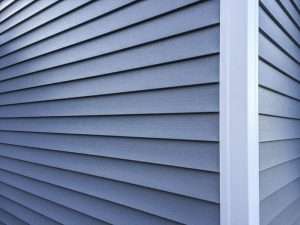
Damage to your home’s exterior often begins as a subtle whisper before it becomes a loud, expensive problem. While most homeowners in towns like Patchogue or Smithtown look for obvious holes, true damage often hides in plain sight. Vinyl siding is designed to be resilient, yet it is susceptible to several environmental and mechanical stresses that compromise its ability to protect your structure. Beyond visible fractures, damage includes subtle warping that allows pests inside, buckling that creates air gaps, and deep discoloration that suggests the material’s core is failing. Understanding these signs is the first step in knowing when to replace cracked vinyl siding.
One often overlooked cause of failure is improper installation. If a contractor nails the panels too tightly to the wall, the material cannot “breathe.” Vinyl needs to slide slightly as temperatures change. When it’s pinned down, the resulting stress leads to buckling or unsightly splits. This tension makes the panels far more vulnerable to even the slightest impact from a stray baseball or a wind-blown branch. Over time, this constant mechanical stress weakens the integrity of the entire wall.
Impact Damage vs. Age-Related Brittleness
Identifying the source of a crack helps determine the health of your entire exterior. Impact damage usually leaves a telltale “starburst” pattern, where small cracks radiate from a central point of contact. This often happens during routine lawn maintenance in neighborhoods across Huntington or Brookhaven when a mower kicks up a stone, or during a storm when debris strikes the wall at high speeds. Recognizing these patterns is crucial for determining when to replace cracked vinyl siding before moisture invades your home’s envelope.
In contrast, age-related brittleness is a systemic issue. Over time, UV radiation bakes the protective oils out of the vinyl. You can test for this by rubbing your hand across the surface; a chalky residue, known as oxidation, indicates the material is reaching the end of its useful life. If you notice vertical cracks, this typically signals that the siding was either installed poorly or that the home is experiencing significant structural shifting that the rigid, aged vinyl can no longer accommodate.
The Role of Long Island Weather in Siding Fatigue
Our local climate is particularly harsh on exterior materials. Homeowners in Suffolk County face extreme temperature swings that force vinyl to expand and contract rapidly. From the freezing winters in Port Jefferson to the humid, salt-heavy summers in Bay Shore, these cycles eventually fatigue the plastic. Salt air also plays a role by accelerating the corrosion of the fasteners and hardware hidden behind the panels, which can cause the siding to sag or pull away entirely. Thermal bridging is the process where heat bypasses insulation through the studs and siding materials, a problem often mitigated by modern, thicker siding panels with integrated backing. Maintaining a solid barrier is essential to prevent these environmental factors from reaching your home’s wooden frame, as even a small breach can lead to rot in our damp coastal air.
How to Repair Minor Vinyl Siding Cracks (The Temporary Fix)
While identifying the root cause of damage is the first step, immediate action often requires a tactical approach to protect your home’s interior. Repairing a small fissure is often a necessary “band-aid” to prevent moisture from reaching your sheathing during a sudden Suffolk County rainstorm. Understanding when to replace cracked vinyl siding involves recognizing that while these fixes are helpful, they are rarely permanent solutions. For minor blemishes, you will need a few specialized tools: color-matched siding caulk, a zip tool, and a sharp utility knife.
Before you begin, it’s vital to acknowledge the “mismatched color” trap. Even if you find the exact brand and style used on your home in Patchogue or Babylon Village, years of UV exposure have likely faded your existing panels. A brand-new piece of vinyl will often stand out against the weathered exterior, creating a visual patch that can be just as distracting as the crack itself. If you find that these small repairs are becoming frequent, it may be time to consult with a professional siding specialist to discuss more durable, long-term options.
Step-by-Step: Caulking Small Cracks
For hairline fractures, a high-quality exterior-grade vinyl caulk is your best defense. Start by cleaning the damaged area with warm, soapy water to remove salt spray and dust; this ensures the adhesive forms a perfect bond. Once the area is completely dry, carefully apply the caulk into the fissure. Use a small putty knife or your finger to smooth the bead, keeping the profile as low as possible to minimize its visibility. This simple seal can prevent wind-driven rain from entering the breach while you evaluate the need for a full panel replacement.
Using a Zip Tool for Sectional Replacement
A zip tool is a small, inexpensive metal hook that is the secret weapon of every seasoned professional. It allows you to unlock the “butt-lock” of the siding panel located directly above the damaged section. By sliding the tool under the edge and pulling down, you can reveal the nail hem of the cracked panel without dismantling the entire wall. If the crack is small, some homeowners use the “Dutch lap” trick. This involves cutting a small patch from a spare piece of siding and overlapping it over the damage, sliding the top edge under the panel above for a secure, weather-shedding fit. This method works well in areas like East Patchogue or Stony Brook where coastal winds are a constant factor, providing a sturdy, if temporary, shield for your home.

The Tipping Point: When to Repair vs. When to Replace
Deciding when to replace cracked vinyl siding is a decision rooted in both structural science and financial wisdom. While a few small cracks from a stray pebble in Huntington might only require a quick patch, a systemic failure across your home’s exterior demands a different approach. Every homeowner reaches a tipping point where the cost of repeated “band-aid” repairs outweighs the value of a comprehensive upgrade. Understanding how to identify this moment protects your home from the hidden threats of moisture and wood rot that often follow a breach in your siding’s defense.
One of the most reliable ways to gauge the health of your exterior is the “Flexibility Test.” Go to a corner of a panel on the sunniest side of your home in Brookhaven or Smithtown and gently try to bend the edge. If the vinyl flexes and returns to its shape, the material still retains its essential plasticizers. If it snaps or cracks under slight pressure, the material is “dead.” At this stage, the vinyl has become too brittle to withstand the natural expansion and contraction caused by our Long Island seasons, and further repairs are likely futile.
We also advise residents to follow the “Rule of 10.” If more than 10% of the panels on a single wall show signs of cracking, warping, or holes, a full replacement is generally more cost-effective. Beyond this threshold, the labor involved in individual panel replacement and the inevitable color mismatching create a diminishing return on your investment. A fresh installation ensures a uniform appearance and a renewed weather-tight seal for the entire structure.
Evaluating the Extent of the Damage
A thorough inspection involves more than a quick glance at eye level. Map your cracks to see if they are localized to one area or scattered across every elevation. Look for sagging panels or warped sections that suggest the fasteners underneath have failed or the wall is shifting. You can also perform the “Hammer Tap” test. Gently tap the siding with the handle of a screwdriver; a sharp, hollow sound indicates the sheathing behind is dry and solid. A dull, heavy thud can be a warning sign that moisture has already reached the wood, potentially leading to rot that requires immediate professional attention.
The Hidden Costs of Delaying Replacement
Ignoring compromised siding is a gamble that often leads to expensive interior repairs. Once water finds its way behind a crack, it becomes trapped, creating a breeding ground for mold and mildew within your wall sheathing. This moisture doesn’t just threaten your home’s skeleton; it also degrades your insulation. When your siding and insulation are compromised, your heating and cooling systems must work harder to maintain a comfortable temperature. Maintaining a high-performance home envelope is essential, much like the protection provided by Energy Efficient Windows Nassau County residents rely on for year-round comfort. Investing in new siding restores your home’s R-value and prevents the cumulative financial drain of rising energy bills and structural remediation.
Why Long Island Climate Makes Siding Integrity a Priority
Living on an island means our homes are constantly engaged in a silent battle with the elements. While vinyl is remarkably durable, the specific environmental pressures of Suffolk County turn minor imperfections into major liabilities. Nor’easters and tropical storms don’t just bring rain; they bring high-velocity, wind-driven water that seeks out every possible entry point. When you are evaluating when to replace cracked vinyl siding, it is vital to remember that a single fracture acts as a funnel during a heavy Atlantic storm. Air pressure differentials during high winds can actually push water upward and through cracks, bypassing the natural drainage planes of your exterior wall.
The local “freeze-thaw” cycle adds another layer of stress to compromised panels. During our erratic winters, moisture trapped in a small crack freezes and expands, physically prying the fracture wider. This process repeats dozens of times between December and March, turning a hairline split into a gaping hole by spring. Additionally, the salt air that characterizes our beautiful coastal life is a silent catalyst for decay. If a crack allows salt-laden moisture to reach the nails and staples behind your siding, these fasteners can corrode and fail, leading to sagging panels that no longer provide a weather-tight seal. For a permanent solution to these environmental challenges, it is often best to contact a local siding professional for a comprehensive assessment.
Storm Readiness in Towns like Babylon and Brookhaven
Your siding is the primary shield for your home’s structural skeleton, especially during the peak of the Atlantic hurricane season. In towns like Babylon and Brookhaven, where coastal gusts are common, a cracked panel is a weak link that can lead to a “zipper effect” during a storm. Once the wind gets underneath a compromised locking mechanism, it can peel entire sections of siding off the wall in seconds. To ensure your home remains protected, siding in Suffolk County must be installed to meet specific wind-load ratings that often require the ability to withstand gusts between 120 and 150 mph depending on your proximity to the shore. Knowing when to replace cracked vinyl siding before the next major weather event is essential for maintaining your home’s safety and value.
Moisture Management and the Coastal Humidity Factor
In high-humidity areas like Islip and Patchogue, moisture management is a year-round concern. While many modern homes utilize a secondary barrier like house wrap, this material is designed to handle incidental moisture, not a constant deluge through a broken exterior. Once water consistently breaches your siding, it creates a damp environment that encourages mold growth within your wall cavities. This often manifests as a persistent “musty” smell or even visible staining on your interior drywall long before you see the rot on the outside. Maintaining the integrity of your vinyl panels is the only way to ensure that the humid Long Island air stays where it belongs—outside your living space.
Professional Siding Replacement: Long-Term Protection and Value
Since 1969, Long Island Windows and Siding has served as a trusted pillar in our local community, helping homeowners navigate the complexities of exterior renovation. We’ve seen firsthand how the industry has evolved, moving from basic plastic panels to high-performance systems that offer incredible durability. Deciding when to replace cracked vinyl siding is a decision that impacts your home’s longevity for decades. Modern vinyl siding options now feature thicker gauges, advanced UV inhibitors, and premium foam backing that virtually eliminates the “hollow” feel of older materials. These innovations provide a superior thermal barrier, ensuring your home in Commack or Lake Grove remains comfortable regardless of the season.
Beyond the technical benefits, a professional replacement offers a complete aesthetic reset. New siding transforms the silhouette of your home, instantly elevating its curb appeal and overall market value. Our team focuses on meticulous craftsmanship, ensuring that every corner post and starter strip is installed with the precision that fifty years of experience demands. By choosing a comprehensive update, you eliminate the stress of mismatched colors and the constant cycle of minor repairs. This transformation is about more than just looks; it’s about restoring a sense of permanence and pride to your property.
The Advantage of Full Replacement vs. Patchwork
Opting for a full replacement allows you to achieve a seamless, uniform appearance that a “patchwork quilt” of repairs simply cannot match. This is the ideal moment to upgrade your home’s energy efficiency by installing high-performance house wrap and integrated insulation. A total exterior refresh also provides the perfect opportunity to ensure your new siding integrates perfectly with Double Hung Windows. When these components work in harmony, they create a robust, weather-tight envelope that protects your interior from the humidity and wind-driven rain that characterize our coastal climate. This holistic approach ensures that every breach is sealed and every corner is secure.
Choosing the Right Local Contractor
Navigating the building codes of Nassau and Suffolk Counties requires a partner who understands the specific requirements of our region. Hiring a seasoned Vinyl Siding Contractor ensures that your installation meets all local standards for wind-load and safety. Our family-owned approach means we stand behind our work with a level of warranty support that only a long-standing local business can provide. We understand the unique challenges faced by homes in areas like Ronkonkoma or Sayville, and we apply that local expertise to every project. We invite you to experience a low-pressure, consultative partnership that prioritizes your home’s health. Schedule a professional siding assessment today to discover how we can elevate your home’s performance and beauty for the next fifty years.
Protecting Your Home for the Next Fifty Years
Safeguarding your Long Island home begins with a clear understanding of the difference between a minor cosmetic scuff and a structural breach. We’ve explored how the Flexibility Test and the Rule of 10 provide a reliable roadmap for your next steps. By recognizing the unique pressures of our coastal climate, you can prevent small cracks from evolving into hidden moisture damage that threatens your home’s skeleton. It’s essential to know exactly when to replace cracked vinyl siding to maintain both your energy efficiency and your peace of mind.
Long Island Windows and Siding has been family-owned since 1969, and we’ve built our legacy on thousands of 5-star local reviews from neighbors just like you. We specialize in the installation of Provia Siding and windows, ensuring your home receives the highest standard of protection and beauty. If you’re ready to move beyond temporary fixes and invest in a lasting transformation, we’re here to help. Get a Professional Siding Assessment from Long Island Windows and Siding today. Your home deserves a defense as resilient as the community we serve.
Frequently Asked Questions
Can I just use duct tape or waterproof tape on a siding crack?
Using duct tape or heavy-duty waterproof tape is not a recommended solution for exterior repairs. The adhesive on common tapes will quickly degrade under the intense UV rays and high humidity found in coastal areas like Huntington Bay or Mastic Beach. Tape doesn’t allow for the natural expansion and contraction of the panels, which can lead to further buckling. It’s better to use a specialized vinyl caulk for a temporary seal that maintains the flexibility of your home’s exterior.
Is it possible to replace just one piece of vinyl siding?
Yes, you can replace a single panel by using a zip tool to unlock the courses above and below the damaged area. While this is technically possible for a handy homeowner in Ronkonkoma or Central Islip, the challenge lies in the visual result. A brand-new panel will rarely match the weathered texture and faded color of your existing siding. This often creates a “sore thumb” effect that can negatively impact your home’s curb appeal.
How much does it cost to repair a small section of vinyl siding on Long Island?
Repair costs for a small section vary significantly based on the height of the damage and the complexity of the trim work involved. In Suffolk County, labor rates reflect the specialized knowledge required to work with older, brittle materials without causing further breakage. You should also consider the cost of matching materials, which may require sourcing discontinued profiles. Many residents find that if multiple sections need attention, a professional assessment is the best way to determine the most cost-effective path forward.
Does homeowners insurance cover cracked vinyl siding from a storm?
Insurance coverage typically depends on the cause of the damage rather than the damage itself. If a sudden event like a fallen limb during a Nor’easter or hail damage in Smithtown causes the fracture, your policy may cover the repair or replacement. However, insurance generally doesn’t cover age-related brittleness or cracks caused by improper maintenance. We recommend checking with your provider and the building departments in Nassau or Suffolk County to understand your specific coverage and permit requirements.
How long should vinyl siding last before it needs full replacement?
Standard vinyl siding generally has a lifespan of 20 to 40 years depending on the quality of the material and the level of exposure. On Long Island, the salt air and extreme temperature swings can accelerate the aging process, making the material brittle sooner. Knowing when to replace cracked vinyl siding often comes down to the “flexibility test” mentioned earlier. If your siding is over 20 years old and feels “crunchy” or thin, it’s likely nearing the end of its functional life.
What happens if I ignore a small crack in my siding for a year?
Ignoring a small crack for even one season can lead to significant structural issues. Water that enters a small breach becomes trapped against the wooden sheathing, where it can’t easily evaporate. This trapped moisture leads to wood rot, mold growth, and can even attract pests like carpenter ants. During a Long Island winter, moisture in that crack will freeze and expand, turning a minor hairline fracture into a major opening that invites even more damage.
How do I find a color-matched siding panel for a house that is 20 years old?
Finding a perfect match for 20-year-old siding is incredibly difficult because UV rays from the sun have likely altered the original pigment. Your best option is to take a small sample to a local supplier in Patchogue or Islip to see if a modern equivalent exists. Some homeowners prefer to “steal” a panel from a hidden area of the house, such as behind a shed or under a porch, to use for the repair. This ensures the color and weathering match perfectly while a newer, slightly different piece remains out of sight.
Is it better to repair or replace siding before selling my home in Suffolk County?
Full replacement often provides a much better return on investment when preparing a home for the market. Research indicates that vinyl siding replacement on Long Island can see an ROI of 74-80%, which is a significant boost for sellers in competitive markets like East Setauket or Babylon. Buyers are often wary of “patchwork” repairs, as they can signal hidden maintenance issues. A fresh, uniform exterior provides the move-in-ready look that modern buyers prioritize, often leading to faster sales and higher offers.